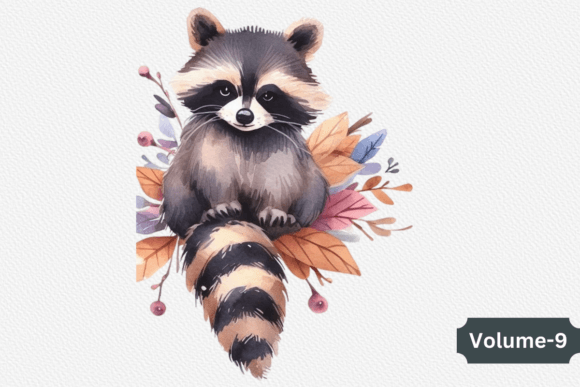
Watercolor Baby Raccoon Clipart for Embroidery
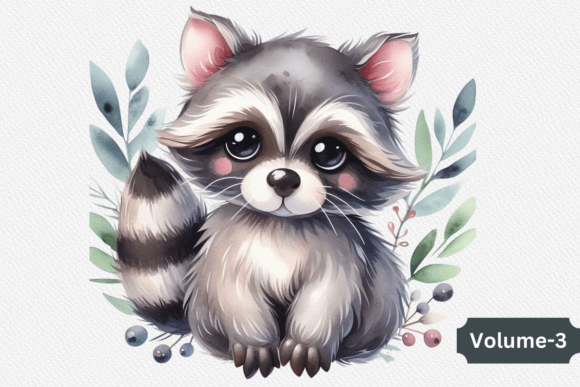
When I first opened the file for this Watercolor Baby Raccoon Clipart, my immediate reaction was one of cautious optimism. As an embroidery digitizer and product reviewer, I have seen countless woodland creature illustrations that look stunning on a screen but translate poorly to thread. However, this specific piece of clipart possesses a softness and structural integrity that suggests it could be a standout asset for makers. The mood is undeniably gentle, evoking a sense of nursery nostalgia and forest whimsy without leaning too heavily into cartoonish exaggeration. For those of us in the craft business or running an Etsy shop, finding Illustrations that balance artistic watercolor aesthetics with practical stitchability is rare. This design feels like it belongs on high-quality baby items, personalized gifts, and boutique apparel rather than mass-produced merchandise.
Translating Soft Edges to Stitch Density
The primary challenge with any watercolor-style machine embroidery design is replicating the gradient and soft edges using thread. Unlike vector art with hard lines, watercolor relies on blending. In reviewing this Watercolor Baby Raccoon Clipart for real-world application, I focused heavily on how the digital file handles these transitions. If you are planning to use this for sweatshirt embroidery or custom apparel, you must verify that the digitizing utilizes variable stitch density effectively. A flat fill stitch will make the raccoon look blocky and artificial, defeating the purpose of the watercolor aesthetic.
I envision this design performing best when the digitizer has employed a combination of satin stitch borders to define the silhouette and complex fill stitches with directional changes to mimic brush strokes. When testing this as an embroidery project, pay close attention to the shading around the eyes and tail. These areas require precise thread colors and blending techniques. If the transition between the grey fur and white accents is too abrupt, the handmade product loses its premium feel. For small shop owners, this level of detail is what justifies a higher price point compared to generic clipart designs.
Real-World Application: The Custom Tote Bag Test
To truly evaluate the commercial viability of this Watercolor Baby Raccoon Clipart, I mentally placed it onto a natural canvas tote bag design. Totes are a staple for craft fair products and Etsy sellers because they offer a relatively stable fabric texture for embroidery. However, canvas can be unforgiving if the design is too dense. In this scenario, I would treat the raccoon as a central focal point, perhaps surrounded by minimal botanical elements to frame it without adding excessive stitch count.
For a personalized gift or holiday embroidery order, this motif works exceptionally well because the neutral color palette allows for versatile customization. You could easily add a monogram below the raccoon using a complementary font without clashing. The key here is scale. On a tote bag, I would recommend sizing the design to at least 4x4 inches to preserve the facial details. Shrinking this Watercolor Baby Raccoon Clipart down to a 2-inch pocket logo size risks losing the delicate watercolor nuances, turning the expressive face into a muddy blob of thread. Always consider the finished product dimensions before committing to a hoop size.
Fabric Considerations and Stabilizer Strategy
Not all fabrics are created equal, and this design demands respect regarding material choice. While it shines on cotton and canvas, applying this embroidery file to stretchy knits or textured terry cloth requires extra preparation. If you are creating baby embroidery onesies or bibs, the fabric texture can interfere with the fine details of the watercolor effect. I strongly advise using a high-quality cut-away stabilizer and potentially a water-soluble topping to prevent the stitches from sinking into the pile.
Dark fabrics present another hurdle. Watercolor designs typically rely on lighter thread colors to create depth. If you plan to stitch this on a navy sweatshirt or black apron, you may need to adjust the thread colors significantly or add a white underlay base to make the design pop. Without this adjustment, the subtle greys and browns of the baby raccoon will disappear against the dark background. For commercial embroidery projects intended for sale, always test on the exact garment you intend to sell. A printable mockup is useful for listings, but only a physical stitch-out confirms whether the design reads clearly on the chosen fabric.
Navigating Licensing and Commercial Use
As creative entrepreneurs, we must be diligent about licensing. Before listing any finished product featuring this Watercolor Baby Raccoon Clipart, review the specific terms provided with the digital embroidery file. Some licenses allow for unlimited physical sales but prohibit selling the digital assets themselves. Others may require attribution or limit the number of units sold. Clarifying this protects your business and ensures you are operating ethically within the maker community. Never assume that purchasing a design grants full commercial rights for every possible use case.
- Verify Hoop Compatibility: Ensure the design fits your machine’s maximum embroidery area without requiring resizing that distorts stitch angles.
- Thread Color Matching: Watercolor effects depend on specific shades; generic grey threads may not capture the intended warmth.
- Stitch Count Check: High-density watercolor designs can be heavy; ensure the fabric can support the weight without puckering.
- Test on Scrap Fabric: Always run a sample before stitching on a final retail item to check registration and tension.
- Review Small Details: Inspect the eyes and nose area in the software to ensure they are large enough to stitch out clearly.
Elevating Brand Value Through Thoughtful Design
Ultimately, the value of this Watercolor Baby Raccoon Clipart lies in its ability to elevate a simple item into a cherished keepsake. In a saturated market of embroidered patches and apparel, customers are drawn to designs that feel hand-painted and unique. The soft, organic nature of this illustration communicates care and artistry, which directly influences buyer engagement and trust. Whether you are making nursery decor, tea towels, or caps, the visual appeal of this design signals professionalism.
However, success depends on execution. Treat this design as a collaboration between the original artist and your embroidery machine. Respect the limitations of thread and fabric. By doing so, you transform a digital file into a tangible piece of art that resonates with clients looking for something special. For the experienced maker, this clipart offers a beautiful foundation for projects that celebrate childhood and nature, provided it is approached with the technical mindfulness that professional embroidery demands. Always remember that the best digital product previews are backed by honest, high-quality stitch-outs that prove the design's worth in the real world.