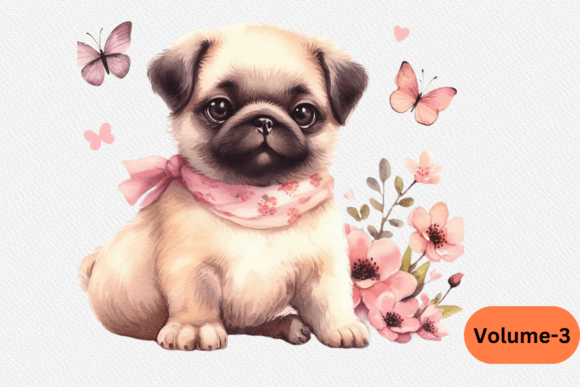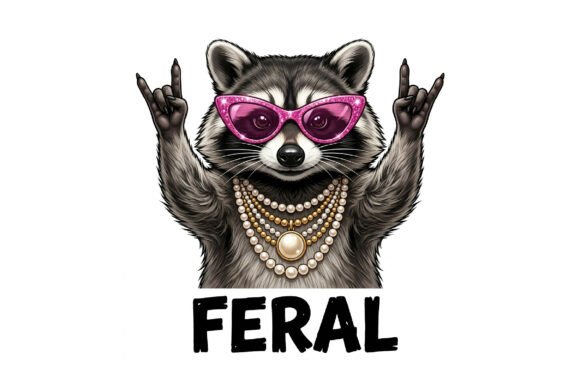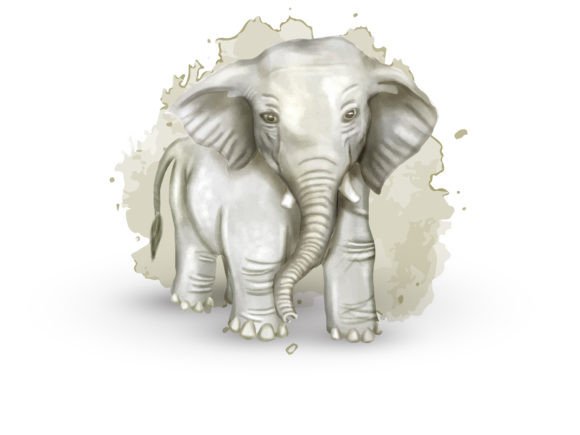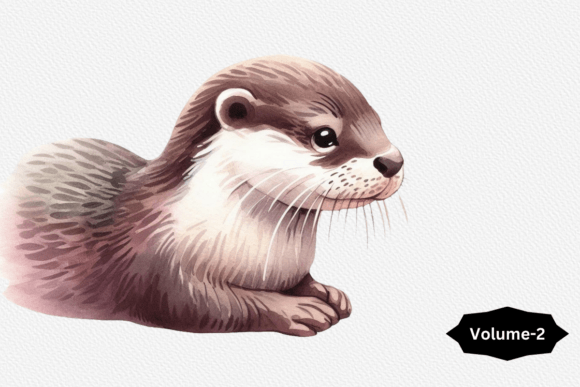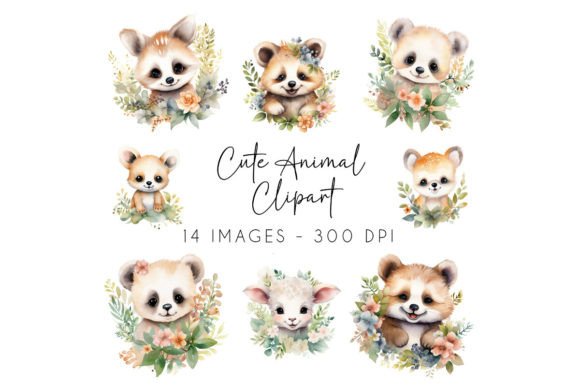
Cute Animal Watercolor Clipart for Embroidery
As a designer who spends just as much time behind an embroidery machine as I do at a computer screen, I approach digital assets with a specific lens. When I evaluate Cute Animal Watercolor Clipart, I am not merely looking at pretty illustrations; I am mentally translating watercolor washes into thread paths. For fellow Etsy sellers, apparel decorators, and makers, the gap between a digital image and a tangible handmade product is where profit and reputation live or die. This review breaks down how these specific illustrations perform when transitioning from screen to fabric, focusing on real-world application rather than theoretical aesthetics.
Translating Soft Washes to Stitch Density
The immediate appeal of this collection lies in its softness. Watercolor style implies fluid edges, color blending, and organic shapes. However, in machine embroidery design, we cannot replicate true pigment bleeding. We simulate it through stitch density and layering. Upon reviewing these assets, my first assessment is how well the artwork lends itself to digitizing. The best Illustrations for embroidery have distinct value separations. If the watercolor clipart relies too heavily on subtle gradients without clear boundaries, you risk a muddy result when converted to a digital embroidery file.
These designs succeed because they maintain enough contrast to support either complex fill stitch blending or, more practically, an applique design workflow. For a craft business prioritizing efficiency, using these animals as applique templates allows you to retain the whimsical shape while reducing stitch count by thousands. The visual personality here is gentle and nostalgic, making it ideal for nursery decor or baby embroidery, but the technical execution requires careful planning to avoid a stiff, bulletproof feel on delicate garments.
Real-World Application: The Custom Sweatshirt Test
To truly judge utility, I applied this design to a current client request: a custom crewneck sweatshirt for a boutique holiday launch. The goal was a vintage-inspired, cozy aesthetic that felt high-end rather than mass-produced. Using one of the forest animal motifs from the set, I had to consider how the sweatshirt embroidery would interact with the fleece backing and ribbed cuffs.
In this scenario, the Cute Animal Watercolor Clipart served as the central focal point. Because sweatshirts are thick and textured, fine details often get lost. I found that these illustrations work best when scaled up to at least a 5x7 hoop size. At smaller sizes, the intended "watercolor" effect collapses into indistinguishable blobs of thread. For this project, I opted to use the clipart as a guide for a raw-edge applique with a running stitch outline. This preserved the artistic integrity of the original illustration while ensuring the design remained soft against the skin. The resulting finished product had the handmade charm customers crave, validating the asset's worth for commercial embroidery ventures.
Navigating Fabric Limitations and Stabilizer Choices
While versatile, this art style demands respect for material constraints. You must be cautious when applying these designs to unstable substrates. Here is where practical judgment overrides digital perfection:
- Stretchy Fabrics: On jersey knits or performance wear, dense fill stitches attempting to mimic watercolor can cause tunneling. Always pair this design type with a fusible cutaway stabilizer and consider a topping to prevent stitches from sinking into the weave.
- Dark Backgrounds: Watercolor clipart is typically designed for white or light backgrounds. If stitching on navy or black fabric, you cannot simply change the thread colors. You must test whether the design includes a white underlay base. Without it, the pastel thread colors will look dull and chalky against dark garments.
- Textured Surfaces: Avoid using highly detailed versions of this clipart on terry cloth towels or minky blankets unless you use a heavy water-soluble topping. The texture will compete with the delicate nature of the illustration, ruining the visual clarity.
- Curved Items: Caps and sleeves present distortion challenges. These organic animal shapes are forgiving regarding minor registration shifts, making them safer for curved embroidery projects than geometric logos, provided you hoop correctly.
Commercial Viability for Small Shops and Digital Sellers
For the Etsy seller or creative entrepreneur, time is inventory. These illustrations offer dual revenue streams. Physically, they elevate personalized gift items like baby blankets and tote bag designs beyond generic clipart. The "watercolor" keyword signals premium, artisanal quality to buyers browsing for unique nursery themes or wedding party gifts.
Digitally, if your licensing permits, these assets are excellent for creating printable mockup listings. Many makers struggle to visualize how a digital file translates to thread. By offering a professional mockup derived directly from the source art, you build buyer confidence. Furthermore, for those selling their own design assets, studying how this clipart balances detail and open space provides a masterclass in creating embroidery-friendly art. Just remember to verify the specific license terms regarding resale of finished goods versus digital redistribution before listing any small shop product.
Essential Pre-Stitch Checklist for Makers
Before committing this design to a final sellable item, run through this professional validation process to protect your brand consistency and customer trust:
- Fabric Match Test: Never assume a design works universally. Stitch a sample on the exact fabric weight you intend to sell. Check if the satin stitch borders are secure or fraying.
- Contrast Verification: View your thread selection in natural light. Watercolor effects rely on tonal variation; ensure your threads provide enough differentiation so the animal features remain recognizable.
- Wash Durability: If producing custom apparel or kitchen linens, wash and dry your test swatch. Watercolor-style fills can sometimes pull apart if the density is too low. Ensure the design survives the care cycle expected for the item.
- Licensing Audit: Confirm whether the Cute Animal Watercolor Clipart license covers your specific use case, especially if you plan to scale production or outsource digitizing.
- Mockup Accuracy: If selling the digitized version, ensure your marketing images accurately represent the stitch-out. Misleading renders lead to returns and negative reviews in the digital embroidery file marketplace.
Final Thoughts on Artistic Integrity
Ultimately, Cute Animal Watercolor Clipart bridges the gap between traditional illustration and modern textile art. It offers a softer alternative to the rigid, cartoonish styles that saturate the market. For the experienced maker, it presents a delightful challenge to interpret paint with thread. Whether you are crafting a bespoke embroidered patch, stocking your shop with holiday embroidery goods, or expanding your digital catalog, success lies in respecting the medium. Treat the clipart as a blueprint, not a mandate, and always let the fabric and thread dictate the final expression of the art.