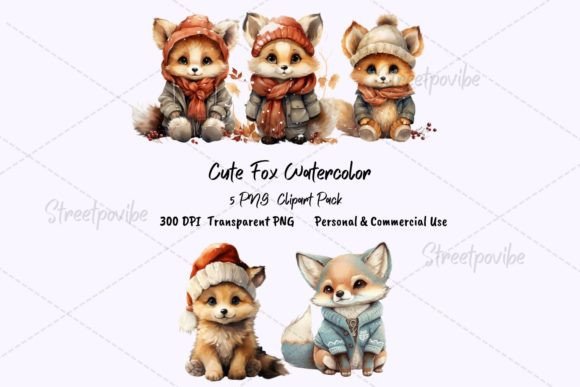
Pets Watercolor Clipart: Cute Baby Animal Illustrations
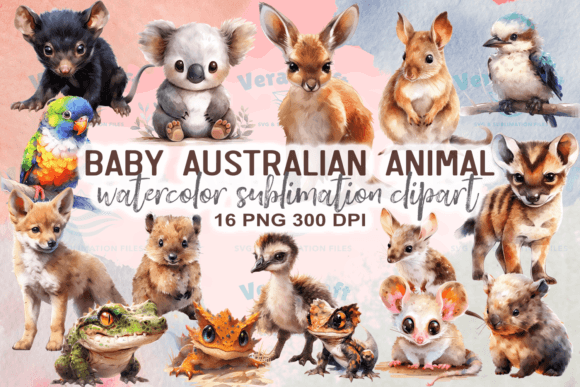
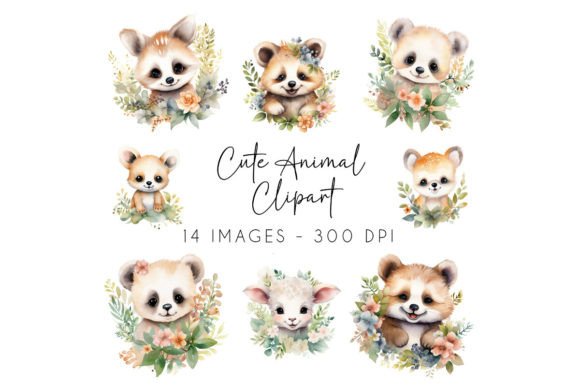
As a digital publisher and blog designer, my first interaction with any new graphic design asset is strictly analytical. I am not just looking for something "cute"; I am evaluating how a visual element will perform across multiple platforms, from mobile screens to printed lead magnets. When reviewing the Pets Watercolor Clipart Cute Baby Animal collection, the immediate impression is one of soft, approachable warmth. This set of illustrations establishes an editorial mood that is distinctly lifestyle-focused and feminine, yet retains enough artistic integrity to feel professional rather than amateur. For content creators in the pet care, parenting, or creative hobby niches, this aesthetic signals safety, nurturing, and joy. It moves away from the sterile, clinical look of veterinary sites and leans heavily into the emotional connection between humans and animals, which is crucial for engagement in modern content marketing.
Elevating Editorial Design and Reader Trust
In the current landscape of web design, reader trust is often established within milliseconds of a page load. High-quality, cohesive visuals are the fastest way to signal that a website is maintained by a serious publisher. The Pets Watercolor Clipart Cute Baby Animal assets excel here because watercolor textures inherently suggest craftsmanship and human touch. Unlike generic vector art or AI-generated imagery that can sometimes feel soulless, these illustrations carry organic imperfections that resonate with audiences seeking authenticity.
When integrating these graphics into editorial layouts, they serve as powerful visual anchors. For a blog post about puppy training or kitten nutrition, placing a relevant clipart element near the headline softens the educational tone without diminishing authority. It creates a balanced visual hierarchy where the text remains the primary focus, but the image provides necessary emotional context. This balance is essential for reducing bounce rates on long-form content. Readers are more likely to stay on a page that feels welcoming and visually paced, rather than one that presents a wall of unbroken text. Furthermore, consistent use of this specific illustration style across articles helps build a recognizable brand identity, making your content instantly identifiable in social feeds and search results.
Strategic Applications Across Digital Publishing Workflows
The true value of a graphic design asset lies in its versatility. In my own publishing workflow, I need assets that can be repurposed across at least five different touchpoints without losing quality or impact. The Pets Watercolor Clipart Cute Baby Animal collection is particularly strong for multi-format adaptation.
- Pinterest Pin Creation: These illustrations are ideally sized and styled for Pinterest. The soft edges and central composition leave ample negative space for bold typography. When creating pins for pet care tips or DIY pet projects, these graphics increase click-through potential by standing out against the platform’s typically saturated photo feed.
- Digital Products and Lead Magnets: If you are creating a downloadable PDF checklist for new pet owners or a printable pet sitter guide, these assets add significant perceived value. A well-designed cover using these watercolor elements transforms a simple document into a premium-feeling digital product.
- Newsletter Headers: Email marketing requires visuals that load quickly and render well in dark mode. Because these are clipart assets with transparent backgrounds, they integrate seamlessly into newsletter templates without awkward white boxes, maintaining a clean, modern design aesthetic.
- Canva Templates: For designers selling templates or small business owners managing their own social media graphics, these illustrations act as flexible building blocks. They can be layered over colored backgrounds or paired with photos to create unique composite images for Instagram stories or Facebook ads.
- Affiliate Marketing Visuals: When reviewing pet products, using custom illustrations instead of only manufacturer stock photos can differentiate your affiliate content. It adds a layer of original creative design that search engines and readers alike tend to favor.
Optimizing Visual Hierarchy and Content Performance
Using cute baby animal illustrations requires strategic restraint to ensure they support, rather than distract from, your content goals. These assets work best when they reinforce the topic at hand. For hero images and article thumbnails, they should be large enough to be appreciated but positioned so they do not compete with the main headline. In terms of visual hierarchy, the clipart should function as a secondary element that guides the eye toward the text or call-to-action buttons.
I have found that these illustrations perform exceptionally well as category visuals. If you run a site with sections for "Dog Care," "Cat Wellness," and "Small Pets," assigning a specific watercolor character to each category improves navigation recognition. Users begin to associate the visual cue with the content type, streamlining their browsing experience. Additionally, for social media previews, these graphics provide a consistent frame of reference that strengthens brand recall. When a user sees your distinctive watercolor style in their feed, they know exactly what kind of high-quality, empathetic content to expect before they even read the caption.
Critical Publisher Notes: Technical and Contextual Considerations
Despite their charm, there are specific scenarios where the Pets Watercolor Clipart Cute Baby Animal assets should be used with caution. As an experienced designer, I must emphasize that context dictates utility. These illustrations are generally unsuitable for serious corporate content, emergency veterinary services, or highly technical medical journals where a clinical tone is required. Using playful baby animal graphics in those contexts could undermine professional credibility and appear insensitive.
From a technical web design perspective, always test these assets on mobile devices. Watercolor details can sometimes get lost or appear muddy when scaled down to small thumbnail sizes. Ensure the focal point of the illustration remains clear at 150 pixels wide. Additionally, check contrast ratios rigorously. Light watercolor washes may disappear against white backgrounds or fail accessibility standards if used behind text. Always place text over solid color blocks or use dark overlays when combining these illustrations with typography.
Font pairing is another critical consideration. These illustrations harmonize beautifully with serif fonts for a classic editorial look or handwritten scripts for a personal journal feel. However, they can clash with ultra-modern geometric sans-serifs or aggressive display fonts. Test your combinations in a real blog layout before committing. Finally, and most importantly for monetized sites, verify the commercial license. Before using these assets in affiliate marketing posts, paid digital guides, or client work, confirm that the licensing terms permit commercial use. Proper compliance protects your business and respects the original artist's rights in the creative marketplace.
Ultimately, the Pets Watercolor Clipart Cute Baby Animal collection is a robust tool for publishers who understand that visual communication is about more than decoration. It is about creating an environment where readers feel comfortable, engaged, and willing to trust your expertise. By applying these assets thoughtfully across your digital ecosystem—from blog graphics to printable design—you elevate the entire user experience. Whether you are a seasoned affiliate marketer or a new creative entrepreneur, integrating these high-quality illustrations can bridge the gap between functional content and memorable brand storytelling. Remember to compress files properly for web performance, maintain visual consistency, and always prioritize readability alongside aesthetic appeal. When executed correctly, this asset becomes more than just a pretty picture; it becomes a foundational element of a successful, trustworthy digital publication.