Wild Meadow Flower Watercolor Clipart for Illustrations
First Impressions: Assessing Organic Texture and Mood
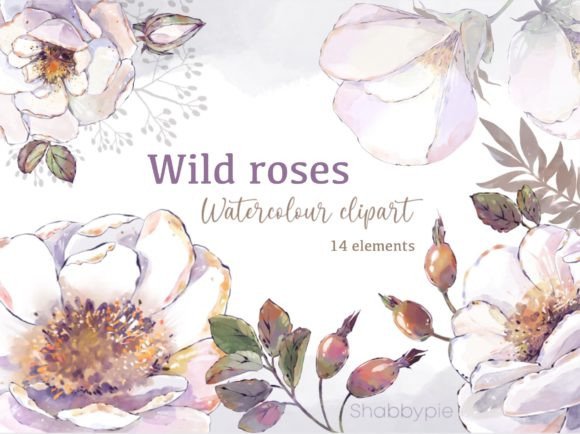
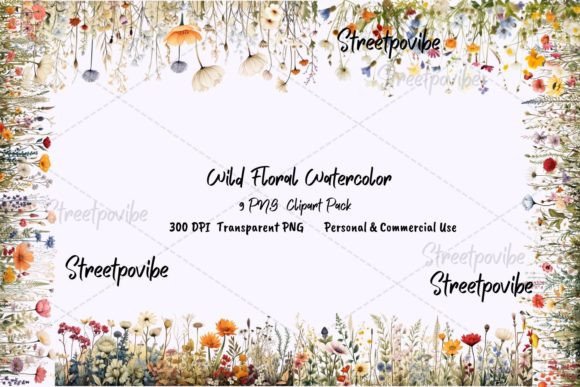
When evaluating a new graphic design asset for a client project, my first step is always to gauge the emotional resonance before checking technical specs. Upon opening the Wild Meadow Flower Watercolor Clipart collection, the immediate impression is one of unforced elegance and botanical authenticity. Unlike many digital florals that suffer from oversaturated neons or rigid, artificial symmetry, these illustrations possess a genuine hand-painted quality. The color palette leans into muted earth tones, soft sage greens, and dusty rose hues, which signals versatility for modern handmade business branding rather than generic craft projects.
For a current client project involving a boutique skincare line launching a seasonal "Botanical Restore" campaign, this specific aesthetic is crucial. The client needs visuals that communicate natural ingredients without looking clinical. This clipart set bridges that gap effectively. The brushwork shows visible texture and water bleed, adding a layer of tactile warmth that flat vector art simply cannot achieve. As a designer, I look for assets that feel bespoke even when sourced from a creative marketplace, and this collection passes the initial vibe check for high-end small business branding.
Application in Brand Identity and Packaging Design
In the context of our skincare rebrand, the primary challenge is integrating floral elements into packaging design without overwhelming the regulatory text and ingredient lists. Here, the Wild Meadow Flower Watercolor Clipart demonstrates significant utility. The individual stems and blooms are isolated with clean edges, making them ideal for creating custom borders on product labels or as subtle background textures on outer boxes. When designing for physical products, the resolution and transparency of the PNG design files are paramount. These assets maintain crisp edges at 300 DPI, ensuring that printed labels do not appear pixelated or muddy against colored stock.
Furthermore, this design bundle supports cohesive brand identity work. I was able to extract specific color codes directly from the watercolor washes to build a complementary typography system. Pairing these organic illustrations with a refined serif typeface creates a sophisticated contrast that elevates the perceived value of the product. For clients in the wellness or beauty space, this visual harmony establishes trust. However, I would advise against using these detailed florals directly within a primary logo design. Watercolor textures often fail to reproduce well in single-color embroidery or small-scale favicon applications. Instead, utilize this asset as a supporting visual element in marketing visuals and secondary brand collateral where full color can be appreciated.
Digital Versatility: Social Media Graphics and Web Layouts
Beyond print, this digital product shines in web and social contexts. For the client’s Instagram launch strategy, we need engaging social media graphics that stop the scroll without feeling chaotic. The wild meadow theme allows for dynamic composition; because the flowers are not pre-arranged in rigid bouquets, I can create custom layouts that guide the viewer's eye toward key messaging. In web design, specifically for hero sections or blog headers, these illustrations provide necessary negative space. They frame content rather than competing with it, preserving visual hierarchy and readability.
For content creators and bloggers utilizing Canva template systems, this asset integrates seamlessly. The transparent backgrounds allow for easy layering over solid colors or photographic textures. I tested placing these elements over both cream and charcoal backgrounds; the mid-tone saturation ensures visibility on light modes while retaining depth on dark modes. This adaptability makes it a valuable resource for maintaining consistent editorial design across different platforms. Whether creating Pinterest pins or email newsletter headers, the organic flow of the meadow flowers adds movement to static digital layouts, increasing audience engagement through visual interest.
Crafting and Print-on-Demand: Technical Considerations
Many designers and makers also service the maker community, so assessing this asset for Cricut project use and print-on-demand is essential. For sublimation design on items like mugs or tote bags, the color fidelity is excellent. The watercolor gradients translate beautifully to polyester substrates, avoiding the banding issues common in lower-quality raster art. However, users must be mindful of complexity. While perfect for sticker design or direct-to-garment printing, intricate watercolor details can be lost in vinyl cutting unless simplified. If your workflow involves cutting machines, verify if an SVG design version is included or if you will need to trace the PNG design manually for clean cut lines.
For those selling Etsy product listings featuring this art, such as printable wall art or wedding stationery, the licensing terms are the most critical factor. Always confirm the commercial license specifics before incorporating this clipart into items intended for resale. Does the license cover end-products like t-shirts? Can it be used in digital templates sold to others? Understanding these boundaries protects your business. From a production standpoint, I recommend test-printing a swatch on your intended paper stock. Watercolor textures interact differently with matte versus glossy finishes, and a quick proof ensures the final printable design meets professional standards.
Strategic Placement: Where It Works and Where to Pause
Through practical testing, it becomes clear where Wild Meadow Flower Watercolor Clipart excels and where restraint is necessary. This asset performs best in large layout areas, decorative accents, and themed collections where its painterly nature can breathe. It is exceptional for invitation suites, journal covers, and lifestyle product mockups where emotion drives conversion. Conversely, use caution in minimalist corporate materials or dense data visualizations. The organic irregularity of wildflowers can clash with strict grid systems or reduce legibility in small footers. In modern design contexts that rely on stark whitespace, these lush illustrations may feel too heavy unless scaled back significantly.
Additionally, consider the background complexity. Placing detailed watercolor florals over busy photography often results in visual noise. These design assets require room to establish their own presence. When working on t-shirt design or apparel, ensure the artwork contrasts sufficiently with the fabric color. A white watercolor flower on a pale yellow shirt will vanish; the same flower on navy creates striking impact. Always prioritize clarity and brand consistency over decoration. The goal is to enhance the message, not obscure it.
The Professional Designer’s Pre-Flight Checklist
Before finalizing any project using this creative design resource, run through this practical validation list to ensure commercial readiness:
- Contrast Testing: View the artwork in grayscale to ensure tonal values hold up without color reliance.
- Scale Verification: Zoom to 100% to inspect edge quality and zoom out to thumbnail size to check overall silhouette recognition.
- Typography Pairing: Test alongside your chosen fonts. Script fonts may compete with the organic lines, while geometric sans-serifs often provide better balance.
- Mockup Reality Check: Never approve a design based on screen view alone. Place the illustration on realistic product mockup scenes to judge scale and integration.
- File Integrity: Inspect PNG transparency masks for stray pixels or halos that could ruin a dark background application.
- License Audit: Re-read the usage rights specifically for your deliverable type (e.g., physical goods vs. digital downloads).
By applying this level of scrutiny, Wild Meadow Flower Watercolor Clipart transforms from a simple decorative download into a strategic tool for professional commercial design. It offers the warmth and uniqueness that AI-generated or mass-produced vectors often lack, providing a tangible connection to nature that resonates deeply with today’s consumers. For designers seeking to elevate their portfolio with authentic, versatile botanical elements, this collection represents a sound investment in visual storytelling.