Watercolor Thanksgiving Element Clipart Illustrations
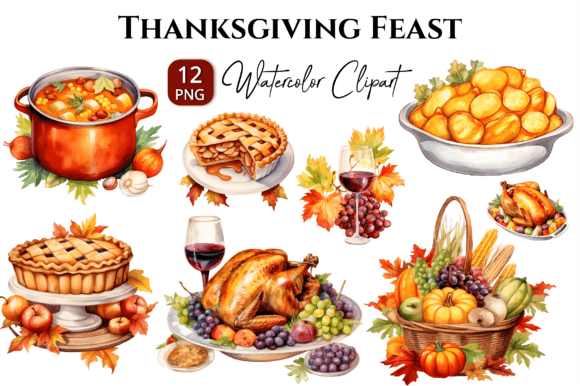
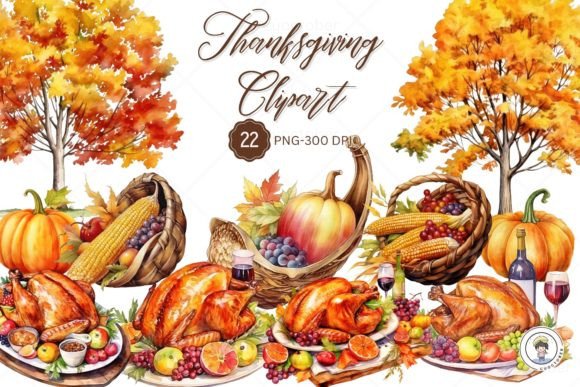
As a digital publisher who manages multiple content sites, my first impression of this Watercolor Thanksgiving Element Clipart collection was one of immediate editorial warmth. Unlike generic vector art that often feels sterile or overly corporate, these illustrations possess an organic texture that signals authenticity to readers. In the current landscape of content marketing, where audience trust is paramount, visual assets must do more than fill white space; they must establish an emotional connection before a single word is read. This graphic design asset succeeds because it balances festive tradition with a modern aesthetic, making it suitable for lifestyle blogs, food publications, and family-oriented niches without appearing dated or kitschy.
The mood created by these watercolor elements is distinctly feminine yet grounded, evoking feelings of nostalgia, gratitude, and domestic comfort. For publishers in the recipe, parenting, or home decor spaces, this style acts as a visual shorthand for quality and care. When I review design assets for real-world application, I look for versatility beyond a single blog post. This collection offers enough variation to support a cohesive brand identity throughout the entire fourth quarter, rather than serving as a one-off decoration. The brushwork is detailed enough to hold up in large formats but retains enough softness to serve as a subtle background texture for text-heavy editorial layouts.
Elevating Editorial Design Across Publishing Channels
In my workflow preparing for the holiday season, I need assets that translate seamlessly across different mediums. These Watercolor Thanksgiving Element Clipart files are particularly effective for creating high-converting Pinterest pin designs. The vertical nature of Pinterest graphics demands imagery that stops the scroll, and the vibrant yet natural color palette of these illustrations achieves exactly that. When paired with bold serif typography, the clipart creates a professional hierarchy that distinguishes sponsored or affiliate content from standard user-generated pins. This distinction is crucial for maintaining reader trust while driving traffic to monetized pages.
Beyond social media graphics, these illustrations excel in website header design and featured images. A common mistake in web design is using photos that clash with overlay text. Because these watercolor elements have softer edges and intentional negative space, they provide excellent anchor points for headlines without sacrificing readability. I have found them particularly useful for category thumbnails on recipe blogs, where consistent visual branding helps users navigate content intuitively. For newsletter creators, incorporating these elements into email headers can significantly increase open rates by signaling seasonal relevance in crowded inboxes. The artistic quality suggests a curated, premium reading experience rather than a mass-produced promotional blast.
Supporting Digital Products and Monetization Strategies
For creative entrepreneurs and small business owners, this asset pack extends well beyond blog decoration. As a designer creating lead magnets, I see immense value in using these illustrations for eBook covers, worksheet borders, and printable design projects. The commercial license typically associated with such creative marketplace downloads allows publishers to integrate these visuals into paid digital products like meal planners or gratitude journals. This transforms a simple graphic purchase into a revenue-generating asset. When designing Canva templates for sale or client use, having a library of high-quality, non-generic watercolor elements ensures your templates stand out in a saturated market.
Affiliate marketers will also appreciate the versatility here. When promoting kitchenware, table settings, or autumn fashion, these illustrations provide a thematic backdrop that enhances product photography without competing with it. In affiliate marketing, visual cohesion between the content and the promoted product increases conversion potential. Using these watercolor accents to frame product shots or create comparison charts adds a layer of polish that generic stock photos cannot match. Furthermore, for online educators creating course materials or digital guides, the friendly, approachable style of these illustrations can make dense information feel more digestible and engaging for students.
Strategic Placement for Maximum Visual Impact
While versatile, this Watercolor Thanksgiving Element Clipart performs best when used with intention. It shines brightest in hero sections, article introductions, and downloadable resource previews. In these prime locations, the intricate details of the watercolor technique are visible and appreciated. They work exceptionally well as dividers between long-form content sections, breaking up text walls while maintaining the seasonal theme. For social media previews on platforms like Instagram or Facebook, cropping individual elements to create square or portrait compositions maintains visual integrity better than shrinking complex arrangements.
However, publishers must exercise caution in specific contexts. Avoid using these detailed illustrations in very small mobile thumbnails where the fine brushstrokes may blur into indistinct blobs. Similarly, if your website utilizes a dark mode or high-contrast minimalist design system, traditional watercolor textures might appear muddy or out of place. Serious B2B niches or corporate finance blogs should likely avoid this style entirely, as the whimsical nature could undermine professional authority. Always consider the existing visual language of your site; these assets complement warm, organic, and lifestyle-focused brands but may clash with ultra-modern, tech-forward, or stark industrial aesthetics.
Publisher Workflow Notes and Technical Best Practices
Before deploying these assets live, rigorous testing is non-negotiable. I always recommend placing the clipart inside your actual blog layout template to check contrast against your specific background color. What looks beautiful on a white canvas in Photoshop might disappear against a cream or beige website background. Test headline overlays extensively; ensure that the watercolor density does not interfere with text legibility, especially on mobile devices. From a typography perspective, these illustrations pair beautifully with elegant serifs and clean sans-serifs, but can easily become illegible when combined with overly ornate script fonts. Maintain ample whitespace to let both the type and the art breathe.
- File Optimization: Watercolor files can be large due to complex color gradients. Always compress images using modern formats like WebP to maintain site speed, which is a critical ranking factor for SEO.
- Licensing Verification: Before using these on monetized affiliate pages or within paid digital downloads, double-check the specific commercial license terms. Some licenses require attribution or prohibit use in templates intended for resale.
- Accessibility Compliance: When using these as decorative elements, mark them as such in your HTML. If they convey meaning (like in an infographic), ensure alt text accurately describes the visual content for screen readers.
- Brand Consistency: Create a style guide for how these elements are used. Decide on consistent opacity levels, sizing ratios, and color grading filters to ensure they look like part of your brand identity rather than random additions.
Ultimately, integrating Watercolor Thanksgiving Element Clipart into your publishing strategy is about enhancing the reader's journey. In an era of AI-generated imagery and impersonal content, hand-painted style illustrations offer a tangible sense of human craftsmanship. Whether you are crafting a viral Pinterest pin, designing a premium lead magnet, or simply beautifying a seasonal blog post, these assets provide the professional polish necessary to compete in today’s digital landscape. By treating them as strategic components of your editorial design rather than mere decoration, you elevate the perceived value of your content and strengthen the connection with your audience during this pivotal seasonal window.