Watercolor Reindeer Winter Clipart Review
As a designer who spends more time behind an embroidery machine than a computer screen, I approach digital assets with a healthy dose of skepticism. When evaluating Watercolor Reindeer Winter Clipart for potential use in commercial and personal projects, my first question is never about how pretty it looks on a monitor. Instead, I ask whether those soft, blended edges will actually translate into clean stitches on fabric. Watercolor aesthetics are notoriously tricky in machine embroidery because they rely on visual blending that thread cannot naturally replicate. However, when digitized correctly, this style offers a unique, high-end boutique feel that standard vector art simply cannot match.
First Impressions and Visual Personality
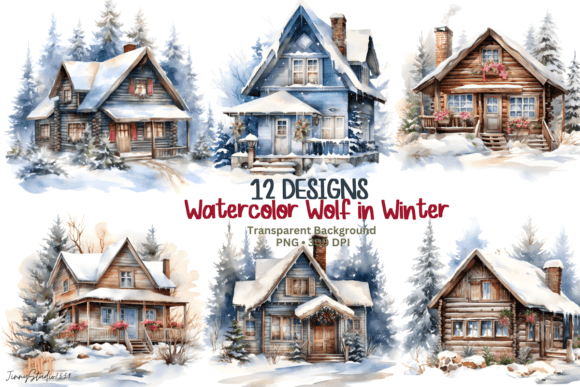
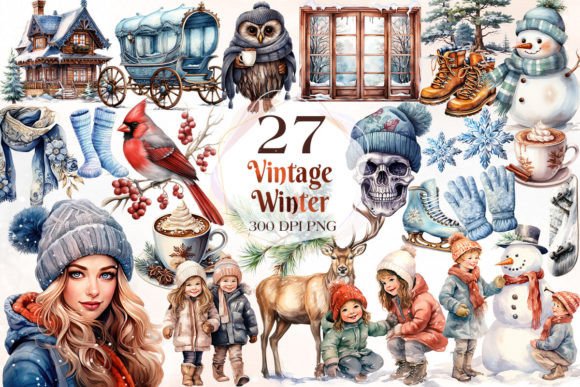
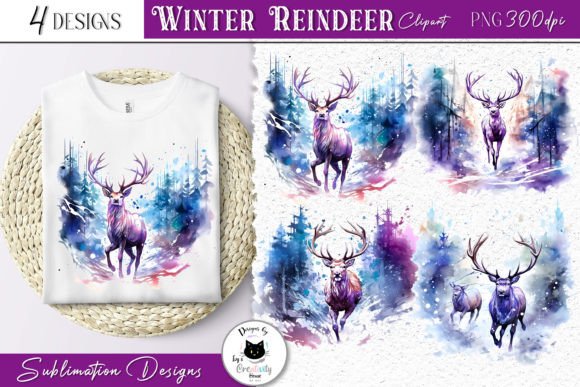
Upon opening the Illustrations file, the immediate mood is nostalgic and gentle. Unlike rigid, cartoonish reindeer designs often found in holiday bundles, this artwork possesses an organic softness. The color transitions suggest a painterly technique that feels handmade rather than manufactured. For an embroidery designer, this visual personality signals specific opportunities. It does not scream "cheap craft fair item"; instead, it whispers "heirloom quality." This distinction is vital for Etsy sellers and small shop owners trying to justify higher price points. The design’s layout appears balanced, avoiding the heavy, blocky saturation that causes fabric puckering, while retaining enough detail to remain recognizable at smaller sizes.
Real-World Application: The Custom Sweatshirt Test
To truly judge the viability of this Watercolor Reindeer Winter Clipart, I mentally placed it in a real-life production scenario: creating a premium unisex sweatshirt for a holiday capsule collection. Sweatshirt fleece is textured and prone to swallowing fine details, making it the ultimate stress test for watercolor-style digitization.
In this application, the design serves as a central chest motif rather than a massive back print. The goal is to create a custom apparel piece that feels vintage and worn-in. Because watercolor relies on tone variation, the embroidery file must utilize complex fill stitches or specialized shading techniques to mimic the paint effect. If the digitizer has used simple flat fills, the reindeer will look like a sticker. However, if the stitch density varies to create depth, the result on the sweatshirt will be stunning. This specific aesthetic pairs exceptionally well with cream, sage, or dusty rose garments, enhancing the perceived value of the finished product. For a craft business, this means the difference between a $35 sale and a $65 sale.
Navigating Fabric Limitations and Hoop Sizes
While the artistic merit is high, practical application requires caution. Watercolor effects in embroidery often demand higher stitch counts to achieve gradient shading. This introduces structural challenges depending on your chosen substrate.
- Stretchy Fabrics: On jersey knits or performance wear, the density required for watercolor shading can cause tunneling. You must use a high-quality cut-away stabilizer and potentially a topping to prevent stitches from sinking into the knit.
- Sheer and Lightweight Materials: Avoid using this design on organza or lightweight linen unless it is specifically digitized as a redwork or light-fill applique design. The weight of the thread will distort the drape of the fabric.
- Textured Surfaces: On terry cloth towels or minky blankets, the subtle color shifts of the watercolor effect may get lost. These fabrics require bolder outlines and higher contrast to maintain readability.
- Curved Items: Be wary of placing this design on caps. The curved surface combined with the likely rectangular or circular composition of the clipart can lead to registration issues where the colors do not align perfectly.
Always verify the hoop size requirements before purchasing. A design that looks delicate on screen might be too dense for a standard 4x4 hoop without significant resizing, which can ruin the stitch integrity of watercolor gradients.
Commercial Viability for Makers and Sellers
For Etsy sellers and creative entrepreneurs, Watercolor Reindeer Winter Clipart offers versatility beyond just stitching. In the digital product space, these illustrations serve as excellent assets for printable mockups and listing photos. A cohesive brand identity relies on consistent visuals; using this watercolor style across your embroidered patches, gift tags, and packaging creates a professional, recognizable boutique aesthetic.
However, commercial embroidery demands reliability. If you are producing holiday gifts or baby embroidery items, the design must withstand washing. Watercolor-style fills sometimes lack the anchoring underlay necessary for durability. Before listing any finished product for sale, run a wash test. Does the shading hold up after three cycles? Do the thread colors bleed? Customer trust is built on quality, not just pretty previews. Additionally, always confirm the licensing terms. Ensure the digital embroidery file allows for commercial use on physical products versus digital redistribution, as these rights often differ.
Critical Designer Notes for Success
Before committing this design to your next embroidery project, adhere to these professional best practices to ensure the final output matches the digital promise:
- Test Stitch is Non-Negotiable: Never run a watercolor design directly on a final garment. Stitch it out on a scrap of the exact fabric you intend to use. Check for gaps between color blocks and verify that the shading reads clearly from a distance.
- Analyze Thread Color Contrast: Watercolor depends on subtle shifts. If you substitute thread colors, ensure the new palette maintains sufficient contrast. A monochromatic substitution might turn a detailed reindeer into an indistinct blob.
- Review Stitch Density Maps: Use your embroidery software to view the density map. Look for areas where multiple layers overlap excessively. These are potential needle-break zones or fabric-tear risks. Adjust pull compensation if necessary.
- Mockup in Black and White: View the design assets in grayscale. If the reindeer loses its definition without color, the underlying digitizing structure is weak. Good embroidery should have form even without hue.
- Stabilizer Selection: Match your stabilizer to the fabric texture and stitch count. For watercolor styles on apparel, a combination of fusible mesh and tear-away topping often yields the crispest results.
- Check Small Detail Clarity: Inspect facial features and antlers. If they are rendered with running stitches thinner than 2mm, they may disappear on textured fabrics. You may need to edit the file to thicken these elements for specific applications.
Elevating Handmade Products Through Intentional Design
Ultimately, Watercolor Reindeer Winter Clipart represents a shift toward softer, more artistic machine embroidery. It moves away from the plastic-looking perfection of traditional digitizing and embraces a human touch. For makers creating personalized gifts or boutique merchandise, this emotional resonance is valuable. It transforms a standard sweatshirt or tote bag design into a piece of wearable art.
Success lies in respecting the medium. Treat this illustration not just as a picture to be printed with thread, but as a technical blueprint that interacts with fabric physics. By understanding the relationship between the watercolor aesthetic and stitch mechanics, you can produce finished products that delight customers and stand the test of time. Whether you are crafting a nursery pillow, a holiday tea towel, or a custom patch, let the gentle nature of this design guide your material choices and construction methods. The result will be work that feels as thoughtful and intentional as the season it celebrates.