Watercolor Majestic Elephant Sublimation Review
First Impressions: Balancing Artistic Flow with Stitch Reality
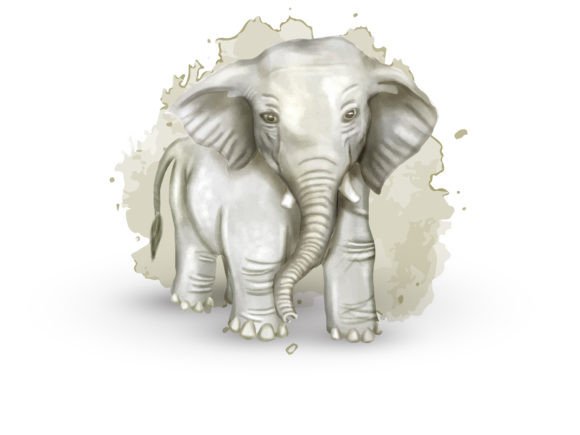
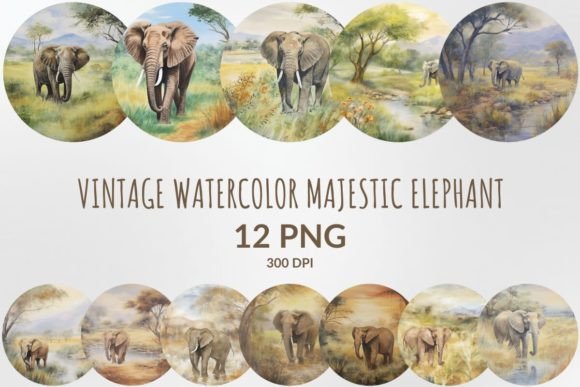
When I first opened the Watercolor Majestic Elephant Sublimation file, my immediate reaction was one of appreciation for its artistic intent. As a designer who frequently bridges the gap between digital illustration and tangible textiles, I look for artwork that possesses a distinct personality before I even consider how it will translate into thread or ink. This design captures a gentle, whimsical mood that feels modern yet timeless. The watercolor aesthetic suggests soft edges and organic color blending, which creates an immediate emotional connection. However, as any experienced embroidery digitizer or sublimation specialist knows, what looks effortless on a screen requires deliberate technical planning in production.
The layout of this majestic elephant is balanced, avoiding the common pitfall of being too top-heavy or visually lopsided. For those of us creating Illustrations intended for merchandise, this symmetry is crucial. It allows the design to sit comfortably on a chest placement, center of a tote bag, or as a focal point on nursery decor without requiring excessive repositioning. The visual weight feels appropriate for both adult and children’s items, making it a versatile asset for a craft business looking to expand their product range without purchasing multiple disparate designs.
Real-World Application: The Custom Nursery Tote Test
To truly evaluate the utility of the Watercolor Majestic Elephant Sublimation, I approached it with a specific project in mind: a personalized canvas tote bag intended as a baby embroidery gift for a new mother. In this scenario, the design needs to convey softness and durability simultaneously. Canvas is a textured fabric that can sometimes swallow fine details, so I had to assess whether the watercolor gradients would remain distinct or turn muddy against the weave.
If utilizing this as a pure sublimation transfer, the design performs beautifully on poly-coated canvas or polyester blends. The watercolor transitions retain their luminosity, and the "majestic" quality of the elephant stands out as a premium handmade product. However, if you are adapting this concept for a machine embroidery design, caution is required. Translating watercolor effects into thread often leads to excessive stitch density as digitizers attempt to replicate color blending with overlapping fill stitches. For my tote bag test, I found that treating the elephant as an applique design with printed fabric or using a lighter fill stitch pattern preserved the airy feel of the original art. A dense, solid reproduction would have made the bag stiff and unappealing to the touch, defeating the purpose of a soft nursery accessory.
This duality makes the design excellent for mixed-media creators. You might sublimate the intricate watercolor background and embroider a simple running stitch outline over it. This technique maintains the artistic integrity of the Watercolor Majestic Elephant Sublimation while adding the tactile value that customers associate with high-end custom apparel and accessories.
Navigating Fabric Choices and Technical Constraints
While the aesthetic is universally appealing, practical application demands awareness of material limitations. The watercolor style relies heavily on subtle shading, which brings specific challenges depending on your chosen medium.
- Dark Fabrics: Watercolor aesthetics typically rely on white space and light transparency. Using this design on black or navy garments via sublimation is impossible without a white underbase or bleaching process. For embroidery, you would need to digitize a white underlay base, which significantly increases stitch count and changes the hand-feel of the garment.
- Textured Surfaces: On rough fabrics like burlap or heavy linen, the delicate gradient details of the elephant may be lost. If stitching, consider using a water-soluble topping to create a smooth surface for the needle. For sublimation, ensure your heat press pressure is adequate to reach into the fabric weave, or opt for smoother substrates.
- Stretchy Materials: When applying this to performance wear or baby onesies, stabilization is non-negotiable. The large surface area of a majestic elephant design can cause tunneling or puckering if the stabilizer is insufficient. Always test on a scrap piece of the exact garment material before committing to a final personalized gift.
- Small Hoop Sizes: Reducing complex watercolor art to fit a 4x4 hoop often results in loss of definition. If your machine limits you to smaller sizes, verify that the embroidery file has been specifically resized by a professional digitizer rather than simply shrunk in software, which can distort stitch angles and ruin the artistic flow.
Commercial Viability for Etsy Sellers and Makers
For Etsy sellers and small shop owners, the Watercolor Majestic Elephant Sublimation offers strong commercial potential, provided it is marketed correctly. The "majestic" theme elevates it above generic cartoon animals, allowing for higher price points on finished goods. It fits seamlessly into current trends for boho nursery decor, woodland-themed weddings, and sophisticated holiday embroidery gifts.
However, professionalism lies in execution. Customers trust sellers who present crisp, clear imagery. When creating a printable mockup or listing photo, ensure the colors on screen match the output. Sublimation colors can shift after pressing, and embroidery thread sheen varies by brand. I recommend stitching out or pressing a sample specifically for photography rather than relying solely on digital previews. This transparency builds buyer confidence and reduces returns due to color discrepancies.
Furthermore, consider the licensing of your digital embroidery file or sublimation asset. Before listing a sweatshirt embroidery product or selling the file itself, confirm whether your license covers commercial use for physical products versus digital redistribution. Protecting your business means respecting the intellectual property embedded in these design assets.
Designer Notes for Optimal Results
Before launching this design into your production queue, run through this practical checklist to ensure the Watercolor Majestic Elephant Sublimation meets your quality standards:
- Contrast Check: View the design in grayscale. If the elephant disappears into the background without color, the contrast is too low for reliable embroidery recognition. Adjust thread values or add an outline.
- Density Audit: If converting to embroidery, check the stitch density. Watercolor styles should feel light. If the design feels bulletproof, reduce density or switch to a tatami fill with longer stitch lengths to mimic brush strokes.
- Thread Color Matching: Do not rely on auto-color features. Manually select thread colors that blend well. Variegated threads can sometimes enhance the watercolor effect better than solid colors.
- Wash Testing: Watercolor prints and pastel threads can fade. Wash your test sample according to the care instructions you plan to provide to customers. Ensure the finished product maintains its majesty after laundering.
- Mockup Variety: Test the design on both light and dark backgrounds in your editing software to visualize versatility. This helps determine if you need multiple versions of the embroidery project for different garment colors.
Ultimately, the Watercolor Majestic Elephant Sublimation is a beautiful foundation for creative entrepreneurs. Whether you are producing a commercial embroidery line for a boutique or crafting a singular embroidered patch for a client, success comes from respecting the medium. By understanding how this artistic style interacts with fabric texture, stitch mechanics, and customer expectations, you transform a digital file into a cherished, tangible keepsake. Always prioritize the tactile experience of the final item; when the art serves the craft, the result is always majestic.