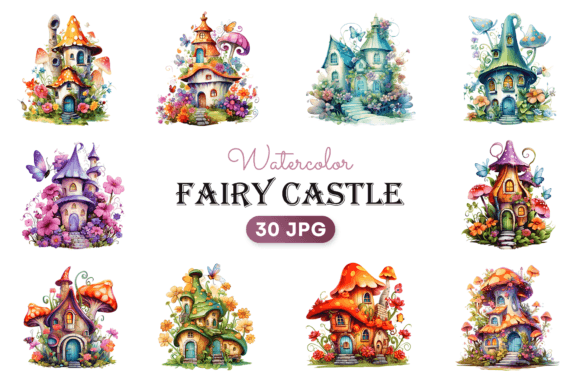
Watercolor Fairy Castle Clipart PNG for Illustrations
As a digital publisher and blog designer, I evaluate every graphic design asset through the lens of conversion, readability, and brand cohesion. When I first loaded the Watercolor Fairy Castle Clipart PNG into my workspace, my immediate assessment focused on its editorial versatility. This is not merely a decorative element; it is a mood-setting anchor that instantly communicates whimsy, nostalgia, and imaginative storytelling. The soft edges and translucent watercolor textures create an approachable, feminine aesthetic that feels handcrafted rather than manufactured. For content creators in niches like children’s literature, fantasy blogging, creative writing, or seasonal lifestyle publishing, this asset establishes an immediate emotional connection with the reader before they even scan the headline.
In a real publishing workflow, the success of blog graphics depends on how quickly they convey the article's promise. This clipart succeeds because it balances intricate detail with enough negative space to accommodate text overlays. It avoids the cluttered look that often plagues amateur editorial design, making it a reliable choice for professional content marketing strategies where visual trust is paramount.
Elevating Editorial Layouts and Website Headers
When integrating this asset into a live website environment, I tested it specifically as a website header and featured image. The transparent background of the PNG format is crucial here. Unlike rasterized JPEGs with white boxes, this clipart layers seamlessly over colored backgrounds, gradients, or textured paper effects commonly used in modern web design. This layering capability allows for a more sophisticated visual hierarchy, where the castle can sit partially behind a headline or overlap a content container without obscuring readability.
For bloggers and affiliate marketers, this asset shines in specific content applications:
- Featured Images: Use the castle as a focal point on book review posts, fantasy genre guides, or creative writing prompts to increase click-through rates from social feeds.
- Category Thumbnails: Establish consistent brand identity by using this illustration as a recurring visual marker for specific blog categories like "Fiction Reviews" or "Creative Inspiration."
- Newsletter Graphics: Email clients often strip complex CSS. A standalone PNG graphic ensures your newsletter header looks polished regardless of the recipient's email provider.
- Affiliate Content Visuals: Soften the commercial feel of product recommendation posts by pairing sales copy with artistic, non-aggressive imagery that maintains reader engagement.
The key to leveraging this asset effectively is understanding its role in supporting content performance. It does not replace good copy; it enhances it. By providing a clear visual cue, it reduces cognitive load for visitors scanning your site, helping them instantly recognize the tone and topic of your page.
Strategic Applications for Digital Products and Printables
Beyond standard blog posts, I evaluated the Watercolor Fairy Castle Clipart PNG for use in monetizable digital products. As a digital download component, high-resolution transparency is non-negotiable. This file holds up well when scaled for various formats, making it ideal for creators selling resources on platforms like Etsy or Gumroad.
Consider these practical implementations for revenue-generating content:
- Lead Magnets: Incorporate the illustration into PDF checklists, reading trackers, or story planning worksheets. The artistic quality elevates the perceived value of freebies, encouraging higher opt-in rates.
- Canva Templates: If you sell customizable templates, this asset serves as a premium base element. Its neutral yet evocative style appeals to a broad range of buyers looking for small business branding elements.
- eBook Covers: While it may need additional typography, the castle provides a professional foundation for indie authors or educators creating digital guides.
- Social Media Graphics: Create cohesive Instagram carousels or Pinterest boards where the recurring visual motif strengthens audience recognition across multiple pins.
When designing a Pinterest pin, vertical space is at a premium. This asset’s vertical orientation and distinct silhouette make it highly effective for long-form pin designs. However, ensure you leave adequate padding around the illustration so Pinterest’s algorithm doesn’t crop out essential details during display.
Critical Design Considerations and Placement Warnings
While versatile, this creative design asset requires strategic placement. Through testing, I identified scenarios where caution is necessary to maintain professional standards.
Avoid using this asset in:
- Small Mobile Thumbnails: The intricate watercolor details can become muddy or indistinct at very small sizes. Always preview how the graphic renders on mobile devices before publishing.
- Text-Heavy Overlays: Because watercolor has variable opacity, placing body text directly over the painted areas can harm accessibility and readability. Always use solid color blocks or significant drop shadows if text must overlap the art.
- Corporate or Technical Niches: Unless intentionally subverting expectations, this whimsical style clashes with serious financial, legal, or B2B tech content. Know your audience before deploying playful assets.
- Low-Contrast Backgrounds: Light watercolor washes disappear against white or pale pastel backgrounds. Test against darker or saturated tones to ensure the illustration pops.
Furthermore, consider the modern design context of your overall site. If your blog uses a strict minimalist grid system, this organic, hand-painted asset might feel jarring unless balanced with ample whitespace and clean typography. It pairs best with serif fonts for a classic editorial look or handwritten scripts for a personal journal aesthetic, but can clash with rigid geometric sans-serifs if not handled carefully.
Publisher Workflow Checklist: Testing and Licensing
Before adding the Watercolor Fairy Castle Clipart PNG to any live project, run through this essential quality assurance checklist. Professional publishing demands more than just aesthetic appreciation; it requires technical diligence.
- Verify Commercial License: Never assume usage rights. Confirm the commercial license explicitly covers your intended use, especially for paid digital guides, merchandise, or client work. Protecting your business from copyright issues is as important as the design itself.
- Optimize File Size: High-res PNGs can be heavy. Compress the image using lossless tools to maintain transparency and quality while improving page load speeds. Slow sites kill content marketing efforts regardless of how beautiful the graphics are.
- Test Typography Pairings: Mock up the asset with your actual headlines. Check contrast ratios to meet WCAG accessibility standards. What looks artistic in Photoshop might be unreadable on a smartphone screen.
- Preview in Context: Do not judge the asset in isolation. Place it within your actual blog theme, newsletter template, or Canva template to see how it interacts with existing colors, margins, and UI elements.
- Check Grayscale Rendering: Some users browse with dark mode or grayscale settings enabled. Ensure the illustration retains its form and impact without relying solely on color differentiation.
Ultimately, the Watercolor Fairy Castle Clipart PNG is a powerful tool for publishers who understand that visuals are functional components of communication. Whether you are crafting a lead magnet to grow your email list, designing social media graphics to drive traffic, or building a cohesive brand identity for a creative marketplace store, this asset offers the polish and personality needed to stand out. By applying these editorial and technical considerations, you transform a simple illustration into a strategic asset that supports both your creative vision and your business goals.