Watercolor Clown Girl: A Stitch-Test Review
When evaluating a new machine embroidery design for commercial or personal use, my first question is never about the digital preview. It is always about how the artwork translates from screen to substrate. The Watercolor Clown Girl, Circus Theme design presents a unique challenge and opportunity because it bridges two distinct worlds: the soft, blended aesthetic of watercolor illustrations and the structured, tactile reality of thread. As a designer who regularly prepares assets for Etsy sellers and boutique owners, I approached this file with a critical eye toward its viability as a finished product.
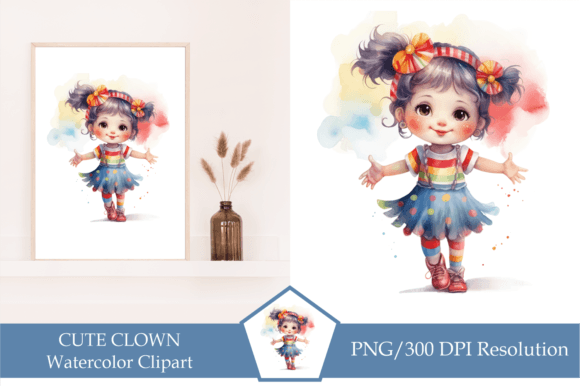
My initial impression of this illustration is one of nostalgic whimsy without being overly juvenile. Many circus-themed designs lean heavily into primary colors and bold outlines, which can sometimes read as costume-shop cheap rather than artisanal. This Watercolor Clown Girl, however, carries a vintage storybook quality. The layout suggests a balanced composition that would serve well as a central focal point on apparel or nursery decor. For creative entrepreneurs, this mood is significant. It signals to customers that the item is a curated, artistic piece rather than generic clip art. When selling handmade products, that distinction often justifies a higher price point and builds brand trust.
Real-World Application: The Custom Sweatshirt Test
To truly judge the utility of this embroidery file, I mentally placed it in a specific production scenario: creating a premium, custom embroidered sweatshirt for a fall craft fair collection. Sweatshirts are a staple for small shop products, but they are unforgiving. The fleece backing and knit face require careful stabilizer choices, and the design must remain legible against a textured surface.
In this context, the Watercolor Clown Girl performs best when treated as a mixed-media piece. If the file includes applique elements, they are ideal for grounding the design and reducing overall stitch density. Heavy fill stitches on a sweatshirt can create a bulletproof patch effect that distorts the garment's drape. I looked specifically at how the "watercolor" shading was digitized. Successful watercolor embroidery relies on variable stitch lengths and strategic thread blending rather than dense packing. If this design utilizes running stitches or lighter fill patterns to mimic paint washes, it will lay flat against the fleece and maintain the soft hand-feel necessary for comfortable custom apparel.
For Etsy sellers listing this type of sweatshirt, the visual appeal directly impacts click-through rates. A design that looks muddy or too dense in photos will not convert. This clown girl motif, with its inherent artistic style, lends itself beautifully to lifestyle photography. It photographs well on cream, blush, or sage green fabrics, allowing the thread colors to pop without overwhelming the viewer. This makes it an excellent candidate for holiday embroidery collections where buyers are seeking personalized gifts that feel sentimental rather than mass-produced.
Navigating Fabric Limitations and Hoop Constraints
While the aesthetic is versatile, practical application requires caution. Not every fabric is a suitable canvas for a detailed illustration like this. I would advise against using this specific design on highly textured terry cloth or uneven linen unless you have tested it extensively. The subtle gradients typical of watercolor styles can get lost in deep fabric textures, making the clown’s features indistinct.
Stretchy fabrics also demand attention. If you are planning baby embroidery on onesies or stretch cotton, the registration marks must be precise. Watercolor effects often involve multiple color changes and overlapping layers. On unstable fabric, even a millimeter of shift can turn a beautiful face into a blurred mess. Always use a high-quality cut-away stabilizer and consider a topping if the fabric has a pile. For thin fabrics like voile or batiste, verify the stitch density first. A dense illustration can cause puckering or tearing. In these cases, resizing the design down might actually improve clarity by tightening the relationship between stitches, provided the minimum stitch length remains viable.
Hoop size is another non-negotiable factor. Before purchasing or stitching, confirm your machine’s maximum field matches the file dimensions. Resizing complex illustrations up or down by more than 10-15% can degrade the watercolor effect. Enlarging may expose gaps in the shading, while shrinking can cause thread breaks and loss of facial detail. If you need a significantly different size, look for a version of the embroidery file specifically digitized for that hoop size rather than forcing a resize in your software.
Commercial Viability and Brand Consistency
For those running a craft business or selling digital embroidery files, consistency is currency. Does the Watercolor Clown Girl align with your existing catalog? If your shop specializes in modern minimalist line art, this detailed illustration might feel out of place. However, if you sell cottagecore, vintage revival, or nursery decor, it is a strong asset. Buyers engage with shops that offer cohesive aesthetics. Using this design allows you to expand into the circus theme niche while maintaining your signature artistic voice.
When creating printable mockups for digital product listings, ensure the rendering accurately reflects the stitch texture. Customers need to see that this is embroidery, not a printed transfer. Highlight the satin stitch borders and the texture of the fill areas. Transparency builds buyer confidence. Furthermore, always verify licensing terms before incorporating this design into commercial embroidery projects or reselling it as part of a bundle. Understanding whether you have rights for physical products versus digital redistribution protects your business from legal issues and maintains professional integrity.
Essential Pre-Stitch Checklist for Makers
Before committing this design to a final project or listing it in your shop, run through this practical evaluation list:
- Stitch Out on Scrap: Never skip the test run. Use fabric that matches your final project’s weight and weave to check for registration issues.
- Thread Color Contrast: Watercolor designs rely on subtle value shifts. Test your thread palette on both light and dark backgrounds to ensure the shading reads clearly.
- Stabilizer Match: Confirm you have the correct stabilizer for the specific fabric texture. What works for a tote bag design will fail on a silk pillow cover.
- Detail Inspection: Zoom in on the digital file to check for tiny jumps or untrimmed threads that could mar the finished appearance.
- Wash Testing: If selling baby items or kitchen towels, wash the test sample. Watercolor fills can sometimes pull or distort after laundering if not properly underlaid.
- Licensing Verification: Double-check if the file permits commercial use for finished goods, digital assets, or both.
Final Thoughts on Artistic Translation
The Watercolor Clown Girl, Circus Theme is more than just a cute graphic; it is a test of technical execution and artistic sensitivity. When stitched correctly, it elevates a simple garment or accessory into a keepsake. For the experienced maker, the value lies in recognizing where the design shines and where it requires adaptation. By respecting the interplay between thread, fabric, and digitizing style, you can transform this illustration into a profitable and beloved addition to your embroidery repertoire. Whether for a personalized gift or a boutique bestseller, success comes from treating the digital file as a starting point, not a guarantee.