Watercolor Chameleon Clipart Volume 1: Editorial Illustrations
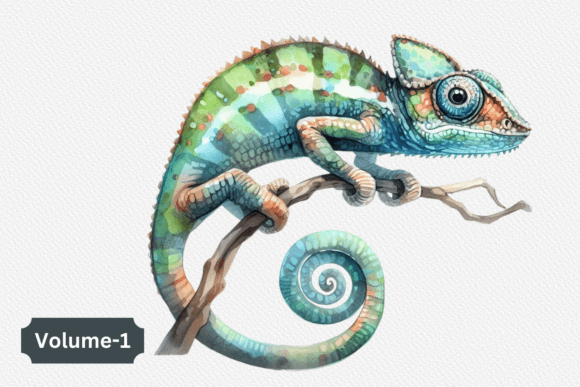
As a digital publisher and blog designer, my first interaction with any new graphic design asset is always critical. I am not just looking for pretty pictures; I am evaluating how a visual element will perform within a live editorial ecosystem. When I opened Watercolor Chameleon Clipart Volume –1, the immediate impression was one of organic versatility and gentle sophistication. Unlike rigid vector art or overly cartoonish stock imagery, these illustrations carry the authentic texture of traditional watercolor media. This creates an instant sense of warmth and approachability that is often missing in modern web design.
The mood established by this collection is distinctly lifestyle-focused yet adaptable enough for educational content. It strikes a balance between playful curiosity and artistic maturity. For content creators in niches like nature journaling, early childhood education, sustainable living, or creative hobbies, this asset pack feels native rather than decorative. It signals to the reader that the content has been curated with care. In an era where AI-generated imagery can sometimes feel sterile or inconsistent, the hand-painted aesthetic of Watercolor Chameleon Clipart Volume –1 fosters immediate reader trust and human connection.
Integrating Organic Visuals into Content Marketing Workflows
In my daily publishing workflow, consistency is king. A major challenge for bloggers and affiliate marketers is maintaining a cohesive brand identity across disparate platforms. Watercolor Chameleon Clipart Volume –1 serves as an excellent unifying thread. When designing blog graphics or featured images, the soft edges and natural color palette allow text overlays to remain legible without fighting against busy backgrounds. This is crucial for visual hierarchy. The chameleons act as focal points that guide the eye toward headlines rather than distracting from them.
For those creating Pinterest pin designs, this asset is particularly valuable. Pinterest users respond positively to fresh, artistic visuals that stand out against a sea of generic photography. Using these illustrations in vertical pin formats can significantly improve click-through rates by signaling unique, high-value content. Furthermore, if you are developing a digital product such as a nature study unit or a mindfulness journal, these assets transition seamlessly from screen to print. They work beautifully as accents in printable design layouts, worksheet borders, or eBook covers, adding perceived value to your paid offerings.
Elevating Newsletters and Lead Magnets with Artistic Detail
Email marketing often suffers from visual fatigue. Subscribers are accustomed to polished but impersonal corporate templates. Incorporating Watercolor Chameleon Clipart Volume –1 into newsletter headers or section dividers introduces a bespoke quality that encourages engagement. When used in a lead magnet, such as a free coloring page or a seasonal checklist, the artwork transforms a simple PDF into a desirable resource. It suggests that the creator values aesthetics as much as information.
I have found that this specific style of creative design pairs exceptionally well with storytelling content. If you are writing personal essays, travelogues, or reflective pieces, the watercolor texture mirrors the fluidity of narrative prose. It supports the emotional tone of the writing. For affiliate marketers promoting art supplies, stationery, or eco-friendly products, these visuals provide contextually relevant imagery that feels like a genuine recommendation rather than a hard sell. The asset bridges the gap between commercial intent and editorial integrity.
Strategic Placement for Maximum Editorial Impact
Knowing where to place a design element is just as important as the element itself. Based on my testing, Watercolor Chameleon Clipart Volume –1 performs best in specific high-visibility zones. Hero images and website headers benefit greatly because the transparency and soft colors prevent the site from feeling heavy. Article thumbnails featuring a single, well-placed chameleon create strong category recognition for recurring series. Social media previews also gain a distinctive edge, helping your posts stop the scroll in crowded feeds.
Additionally, these illustrations are ideal for content upgrades embedded within long-form articles. A small graphic next to a download link increases visibility and reinforces the theme. For educators and coaches using Canva template systems, importing these assets allows for rapid customization while retaining a professional, handcrafted look. They serve as excellent visual anchors in slide decks and webinar presentations, breaking up text-heavy slides with moments of visual relief.
Navigating Limitations and Accessibility Considerations
However, no asset is universally perfect. As a designer focused on usability, I must note where caution is required. Watercolor textures can sometimes struggle with contrast on mobile devices, especially if screen brightness is low. Avoid using detailed illustrations as tiny icons or navigation elements; they lose their definition at small sizes. In highly corporate or technical niches, the whimsical nature of the chameleons might undermine authority unless balanced with structured typography and ample white space.
Accessibility is another non-negotiable factor. Because watercolor edges are inherently soft, ensure there is sufficient contrast between the illustration and any overlaid text. Always test readability against WCAG standards. If the background is too textured, use a solid color block behind your text to maintain clarity. Remember that for some users, intricate patterns can be visually overwhelming. Use these illustrations as accents to support content, not as chaotic backgrounds that compete with your message.
Publisher Notes: Technical Testing and Licensing Compliance
Before deploying Watercolor Chameleon Clipart Volume –1 on a live site, run through a practical technical checklist. First, verify file sizes. High-resolution watercolor scans can be heavy. Compress PNG files using lossless tools to maintain edge quality without sacrificing page load speed. Web performance directly impacts SEO and user retention. Second, test font pairings. These organic shapes harmonize beautifully with elegant serifs and clean sans-serifs but can clash with overly decorative script fonts. Aim for typographic balance.
Crucially, review the commercial license terms before monetization. If you plan to use these in products for sale, affiliate pages, or sponsored content, confirm that your usage rights cover these activities. Respecting intellectual property protects your business reputation. Finally, preview the assets in grayscale. A strong illustration should hold its form and value even without color. This ensures your content remains effective for users with color vision deficiencies and maintains structural integrity in black-and-white printouts.
Ultimately, Watercolor Chameleon Clipart Volume –1 is more than just a collection of cute animals; it is a functional tool for small business branding and editorial storytelling. When applied with intention, it elevates the perceived quality of your digital presence. It helps transform standard web pages into immersive experiences that resonate with audiences seeking authenticity. For publishers willing to invest time in proper integration and testing, this asset offers a reliable pathway to more polished, clickable, and trustworthy content.