Watercolor Chameleon and Flower Clipart Review
As a professional embroidery digitizer and product reviewer, I approach every new set of illustrations with a specific question: will this actually translate to thread? Digital art is beautiful on screen, but the transition from pixels to stitches requires careful consideration of density, texture, and fabric interaction. When evaluating the Watercolor Chameleon and Flower Clipart for real-world application, my focus shifts immediately from aesthetic appreciation to technical feasibility. This design category offers a unique challenge because watercolor effects rely on color blending and soft edges, whereas machine embroidery relies on distinct stitch paths and defined boundaries. My assessment below reflects how this artwork performs when adapted for tangible goods like custom apparel, nursery decor, and boutique merchandise.
Translating Soft Aesthetics to Stitch Structure
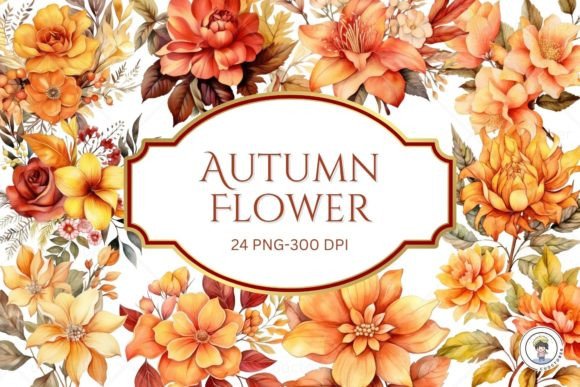
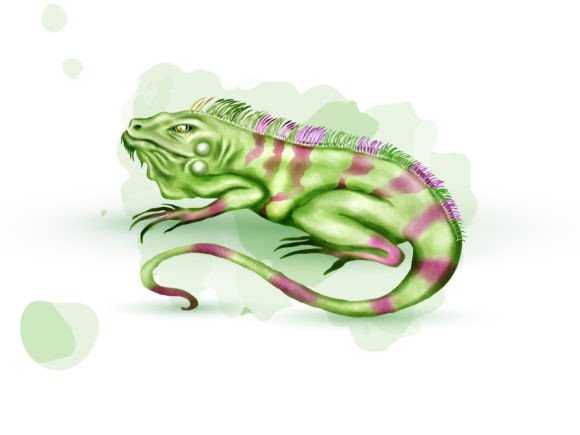
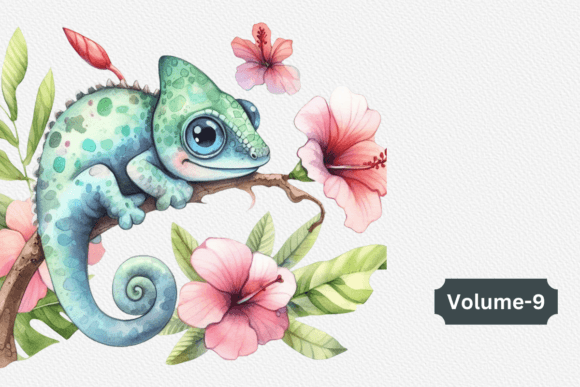
The first impression of the Watercolor Chameleon and Flower Clipart is one of organic whimsy. The mood is gentle and playful, making it an immediate candidate for baby embroidery projects or spring-themed handmade products. However, as a designer, I look past the initial charm to analyze the shape language. The chameleon’s curved body and the intricate petals of the accompanying flowers present both opportunities and risks for digitizing. In a digital illustration, gradients are seamless; in an embroidery file, they require complex layering of fill stitches or specialized shading techniques to avoid a blocky appearance.
For this specific clipart to succeed as a machine embroidery design, the digitizing must respect the original flow of the artwork. If the flower elements are too dense, they risk puckering lightweight fabrics. Conversely, if the chameleon’s details are too sparse, the recognizable features might get lost during stitching. I find that this style works best when treated as a hybrid applique design or a light-density fill stitch composition. This preserves the airy, watercolor feel without creating a bulletproof patch of thread that could distort a soft sweatshirt or delicate tea towel. The visual personality here demands a balance between artistic interpretation and structural integrity.
Real-World Application: Custom Tote Bag Project
To truly test the viability of the Watercolor Chameleon and Flower Clipart, I recently prepared a prototype for a custom embroidered tote bag intended for a local craft fair. Canvas tote bags are a staple for Etsy sellers and small shop owners, but their textured surface can be unforgiving. My goal was to create a personalized gift option that felt high-end rather than mass-produced. Using this clipart as the foundation, I had to make several practical adjustments to ensure the finished product met customer expectations.
The primary challenge was maintaining clarity against the natural weave of the canvas. Watercolor-style illustrations often have low contrast at the edges, which can disappear into fabric texture. I found that adding a subtle running stitch outline or increasing the saturation of the thread colors helped anchor the design visually. For the chameleon’s eye and the flower centers, precision was non-negotiable. These small details define the character of the piece. During the test run, I discovered that standard stabilizer wasn't enough to prevent the canvas grain from shifting under the fill stitches. Switching to a heavier cut-away stabilizer ensured the registration held true, keeping the floral elements aligned perfectly with the reptile’s tail. The resulting tote bag had a professional, boutique quality that justified a higher price point, proving that with the right execution, these illustrations can elevate commercial embroidery projects significantly.
Fabric Compatibility and Technical Constraints
While the Watercolor Chameleon and Flower Clipart is versatile, it is not universally forgiving. Understanding where to use this design carefully is just as important as knowing its strengths. Based on my experience with similar illustrative styles, here are critical considerations for makers and business owners:
- Stretchy Fabrics: On knit t-shirts or baby onesies, the open nature of watercolor-style stitching can lead to distortion. Always use adequate stabilizer and consider a lighter stitch density to maintain the garment's drape.
- Dark Fabrics: Watercolor aesthetics rely on light passing through layers. On black or navy backgrounds, the design may lose its ethereal quality unless you employ a white underlay or adjust the color palette specifically for dark grounds.
- Curved Surfaces: Hooping caps or curved sleeves requires caution. The sprawling layout of a chameleon wrapped around flowers may warp on a 3D surface. Test on a flat cap panel or choose a more compact arrangement for headwear.
- High-Wash Items: For kitchen towels or children’s clothing that face frequent laundering, ensure all decorative accents are secured. Loose satin stitches mimicking brush strokes can snag; running stitches or tighter fills are safer for durability.
- Small Hoop Sizes: Reducing this design too much can cause detail loss. The intricate interplay between the animal and botanical elements needs space to breathe. Check the minimum recommended size before scaling down for patches or cuffs.
Impact on Brand Value and Customer Perception
In the competitive landscape of Etsy sellers and creative entrepreneurs, presentation is everything. The Watercolor Chameleon and Flower Clipart influences more than just the physical item; it shapes buyer engagement and perceived value. When used effectively, this style signals a softness and craftsmanship that appeals strongly to niche markets seeking personalized gifts or nursery decor. It differentiates a handmade product from generic, clip-art-heavy alternatives by offering a cohesive, artistic narrative.
However, poor execution can damage trust. If a customer receives a sweatshirt embroidery where the chameleon looks pixelated or the flowers are misaligned due to improper stabilization, the perception of quality plummets. Professionalism in this context means respecting the medium. High-quality printable mockups are essential for digital product sellers using this clipart, but those mockups must accurately represent what the final embroidery project will look like. Over-promising on detail that cannot be stitched leads to returns and negative reviews. When the translation from screen to stitch is honest and well-executed, it builds brand consistency and encourages repeat business from customers who appreciate the intersection of art and craft.
Essential Notes for Embroidery Professionals
Before integrating the Watercolor Chameleon and Flower Clipart into your production workflow or listing it as part of your design assets, adhere to these practical guidelines to ensure success:
- Always Test First: Never run a new embroidery file directly on a sellable item. Stitch out on scrap fabric that matches your final substrate to check tension, density, and color blending.
- Verify Licensing: Confirm whether your purchase includes commercial rights for finished products versus digital redistribution. This distinction is vital for Etsy sellers and small business owners protecting their livelihood.
- Check Thread Contrast: View the design in black and white within your software to ensure tonal separation exists independent of color. This guarantees readability even when using monochromatic thread palettes.
- Assess Stabilizer Needs: Match your backing to the fabric weight and stitch count. Watercolor styles often vary in density across the design, requiring versatile stabilization strategies.
- Review Small Details: Inspect tiny lettering or fine lines. If they are thinner than 1mm, they may need to be redrawn as running stitches or removed entirely to prevent needle breaks and thread bunching.
- Mockup Accuracy: If selling digital embroidery files, provide realistic previews. Show the design on actual fabric textures so buyers understand the intended outcome.
Ultimately, the Watercolor Chameleon and Flower Clipart represents a beautiful opportunity for creative expression in textile arts. By approaching it with a technician’s eye and an artist’s heart, you can transform digital illustrations into cherished, tangible heirlooms that resonate with customers and stand up to the rigors of daily use.