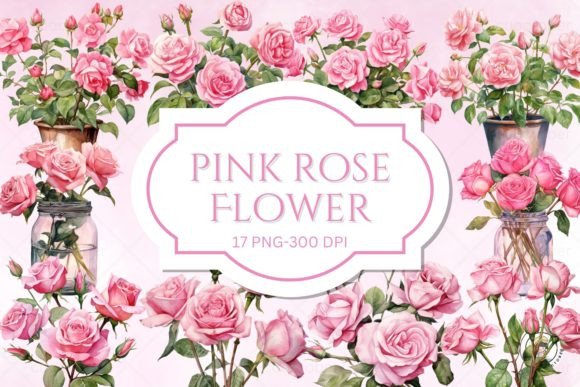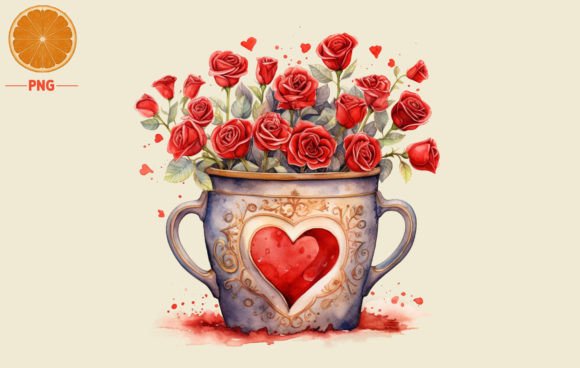
Valentine s Day Rose Watercolor 2: A Designer Review
When evaluating a new machine embroidery design for my studio, I look past the digital preview and immediately imagine how it will behave under the needle. The Valentine s Day Rose Watercolor 2 file caught my attention not just because of its seasonal relevance, but because watercolor-style illustrations present a unique challenge and opportunity in machine embroidery. Unlike traditional bold satin stitch florals, this design relies on blending, shading, and delicate transitions to mimic painted art. As a designer who frequently creates custom apparel and personalized gifts for clients, I needed to determine if this specific illustration could translate from a screen to a tangible, high-quality finished product without losing its romantic, artistic integrity.
First Impressions and Artistic Mood
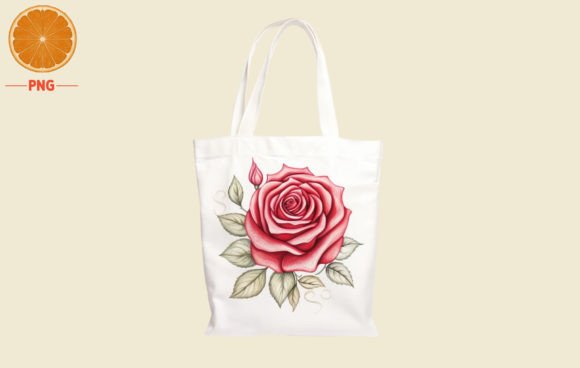
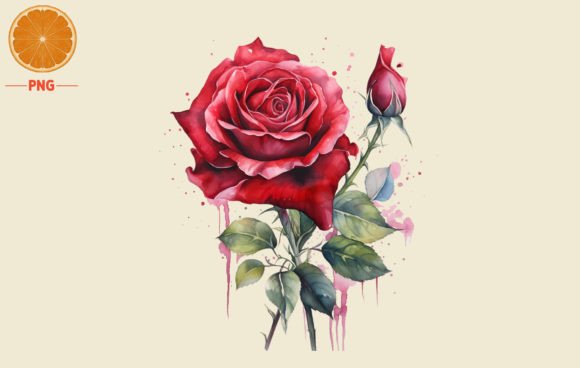
My initial assessment of Valentine s Day Rose Watercolor 2 is that it carries a soft, vintage aesthetic that differs significantly from standard holiday clipart. The layout suggests a balance between organic floral shapes and negative space, which is crucial for preventing the "bulletproof vest" effect where dense embroidery makes a garment stiff and unwearable. In the category of Illustrations, this design feels more like a boutique graphic than a generic craft store motif. It evokes a sense of nostalgia and handmade warmth, making it particularly suitable for makers who want their products to feel curated rather than mass-produced. For an Etsy seller or small shop owner, this visual personality is vital; it signals to the buyer that the item was chosen with taste and intention.
Real-World Application: Stitching a Custom Sweatshirt
To truly test the viability of this embroidery file, I mentally walked through a recent client request for a Valentine’s Day sweatshirt. The goal was a subtle, feminine placement on the left chest of a heather grey French terry fabric. This scenario highlights both the strengths and necessary precautions for using Valentine s Day Rose Watercolor 2. Watercolor effects in embroidery often utilize complex fill stitches and varying thread colors to create depth. On a textured fabric like French terry, there is a risk that the finer details of the rose petals could get lost or sink into the weave.
In this real-life application, I found that the design works best when treated as a focal point rather than a background element. For the sweatshirt project, ensuring adequate stabilizer was non-negotiable. Because watercolor styles can sometimes have variable stitch density to achieve shading, the fabric needs consistent support to prevent puckering. If you are creating custom apparel, this design shines on stable knits or woven cottons. However, if you plan to use it on a lightweight baby onesie or a stretchy ribbed knit, you must verify the stitch count and density first. A heavy watercolor fill on delicate baby clothes can compromise the drape and comfort of the garment, turning a sweet personalized gift into something impractical.
Navigating Fabric Choices and Technical Constraints
Every experienced embroiderer knows that a digital file is only as good as its execution on physical media. When working with Valentine s Day Rose Watercolor 2, fabric texture plays a massive role in the final outcome. Smooth surfaces like poplin, quilting cotton, or high-thread-count pillow covers allow the intricate color blending of the watercolor effect to remain crisp. Conversely, highly textured fabrics like burlap, chunky linen, or terry cloth may obscure the delicate gradients that define this illustration style.
I also advise caution regarding hoop size and scaling. Watercolor embroidery designs often rely on specific stitch angles to create the illusion of paint. Resizing this design significantly—either up or down—can distort these angles and ruin the visual effect. Always check the original dimensions of the embroidery file before committing to a project. If your hoop size requires resizing beyond 10-15%, consider testing on scrap fabric first. Additionally, while this design is perfect for flat items like tote bags, aprons, and tea towels, applying it to curved surfaces like caps requires extra scrutiny. The center of a cap is unforgiving, and complex fill stitches can cause registration issues if the design wasn't specifically digitized for headwear.
Critical Considerations for Dark and Layered Fabrics
One specific area where Valentine s Day Rose Watercolor 2 demands attention is contrast against dark backgrounds. Watercolor threads are often pastel or semi-transparent in appearance due to lower density stitching. On black or navy fabric, these colors may appear muddy or washed out unless you employ an underlay strategy or choose a version of the design optimized for dark garments. For my own commercial embroidery projects, I always run a grayscale test print or a digital mockup to see how the values hold up without color reliance. This step saves hours of unpicking and wasted materials.
Commercial Value and Customer Perception
For creative entrepreneurs and handmade shop owners, the choice of design assets directly impacts perceived value. Valentine s Day Rose Watercolor 2 offers a distinct advantage over generic heart vectors because it feels bespoke. When listing a finished product on Etsy or at a craft fair, this level of detail communicates professionalism. Customers are increasingly savvy; they recognize the difference between a rushed stock design and a thoughtful illustration. Using this design on premium items like linen napkins, wedding gifts, or boutique branding materials justifies a higher price point because the embroidery itself acts as a feature, not just decoration.
However, trust is built on consistency. If you sell this as part of a collection, ensure the stitch style matches your other offerings. Mixing a delicate watercolor rose with bold, cartoonish lettering can create visual dissonance. Pair Valentine s Day Rose Watercolor 2 with fine running stitch text or elegant script fonts to maintain brand cohesion. This attention to detail enhances buyer engagement and encourages repeat business, as clients learn to associate your shop with refined, well-executed craftsmanship.
Practical Notes for Makers and Sellers
Before loading this design into your machine or listing it in your shop, run through this practical checklist derived from professional experience:
- Verify Licensing: Confirm whether the license allows for commercial use of finished products versus digital redistribution. Never assume a file is free for resale without checking the specific terms attached to Valentine s Day Rose Watercolor 2.
- Test Stitch Density: Run a sample on the exact fabric you intend to use. Check if the watercolor fills are too dense for lightweight fabrics or too sparse for heavy canvas.
- Thread Color Matching: Watercolor designs often require specific thread shades to achieve the gradient effect. Compare your thread inventory against the design's color chart before starting a client project.
- Stabilizer Selection: Use cut-away stabilizer for knits and stretchy fabrics to support the complex fill stitches. Tear-away may not provide enough stability for detailed watercolor work.
- Mockup Accuracy: When creating printable mockups for digital listings, ensure the texture overlay matches the reality of embroidery. Misleading customers with smooth vector previews for a textured stitch product leads to returns.
- Washability Check: If the item requires frequent washing (like kitchen towels or baby bibs), test the design's durability. Delicate watercolor stitches may need a topping or tighter lock stitches to withstand laundering.
Ultimately, Valentine s Day Rose Watercolor 2 is a versatile asset for the discerning embroiderer. It bridges the gap between traditional needlework and modern digital art, offering a fresh take on holiday decor. Whether you are stitching a personalized gift for a loved one or expanding your shop's seasonal inventory, approaching this design with technical mindfulness ensures the final result is as beautiful in hand as it is on screen. By respecting the nuances of stitch density, fabric interaction, and color theory, you transform a simple embroidery file into a cherished, professional-grade creation.