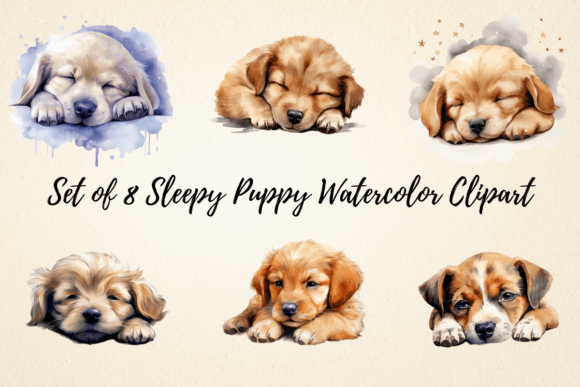
Sleepy Puppy Watercolor Clipart for Illustrations
Evaluating Emotional Resonance in Pet and Child-Focused Branding
As a brand designer specializing in local business identity, my first interaction with any graphic design asset is an assessment of its emotional weight. When reviewing the Sleepy Puppy Watercolor Clipart, the immediate impression is one of profound softness, safety, and domestic tranquility. Unlike high-energy vector graphics or stark modern iconography, this watercolor illustration communicates a gentle narrative. For a small business owner, this distinction is critical. The asset does not scream for attention; rather, it invites a pause. This suggests a brand personality that is nurturing, patient, and organic.
In the context of a real-world project, I recently evaluated similar assets for a boutique pet bakery and a line of organic baby skincare products. In both instances, the goal was to establish trust through visual warmth. The Sleepy Puppy Watercolor Clipart succeeds here because the watercolor medium inherently feels handmade and human. It lacks the sterile precision of digital vectors, which aligns perfectly with businesses selling artisanal goods, comfort items, or services rooted in care. If your local business relies on conveying a sense of calm or nostalgia, this illustration style provides an instant foundation for that mood. However, if you are building a high-tech pet tracker brand or an aggressive grooming service, this asset may feel too passive. Understanding this tonal alignment is the first step in effective small business branding.
Strategic Application Across Packaging and Product Labels
The true test of any clipart or illustration is its versatility across physical touchpoints. For a local handmade soap business or a specialized dog treat bakery, packaging design is often the primary marketing channel. I have found that watercolor assets like the sleepy puppy motif work exceptionally well as secondary visual elements rather than dominant focal points. On a product label, this graphic serves best as a border accent, a background texture at low opacity, or a complementary icon next to ingredient lists.
When designing hang tags for a children’s clothing boutique, this asset adds significant perceived value. It transforms a simple price tag into a keepsake, reinforcing the brand identity with every purchase. For food businesses, specifically those targeting pet owners or parents, placing this illustration on thank-you cards or printable inserts creates a cohesive unboxing experience. It signals that the product was packed with intention. In these scenarios, the Sleepy Puppy Watercolor Clipart acts as a visual anchor, tying together disparate packaging elements into a unified system. It supports professional branding by ensuring that even the smallest details reflect the core values of gentleness and quality.
Enhancing Digital Presence and Social Media Graphics
Beyond physical goods, this asset plays a vital role in digital marketing visuals. Social media managers for local businesses often struggle to create content that feels authentic rather than overly corporate. The Sleepy Puppy Watercolor Clipart can be integrated into Canva templates for Instagram stories, promotional banners, and website hero sections to soften the digital interface. When used in web design, it breaks up rigid grid layouts and adds a layer of editorial sophistication.
For seasonal campaigns, such as a "Cozy Winter" sale or a "New Puppy" welcome kit, this illustration provides thematic consistency without requiring custom commission work. It allows creative entrepreneurs to maintain a polished aesthetic while managing tight budgets. However, it is crucial to treat this as a supporting element in digital spaces. Ensure there is ample negative space around the illustration so it does not compete with call-to-action buttons or essential copy. Effective visual hierarchy ensures the art enhances the message rather than obscuring it.
Navigating Technical Constraints and Commercial Viability
While the aesthetic appeal is evident, practical application requires technical diligence. Before incorporating Sleepy Puppy Watercolor Clipart into any commercial design, specific checks must be performed. First, verify the resolution. Watercolor textures rely on subtle grain and edge bleeding; printing a low-resolution PNG on a product box will result in pixelation that instantly devalues the brand. Always test the asset on a physical product mockup before committing to a full print run. What looks vibrant on a backlit monitor may appear muddy on uncoated kraft paper or textured cardstock.
Furthermore, assess the file format. While PNG designs offer transparency, they are static. If you need to adjust colors to match a specific Pantone palette, check if SVG design files or layered PSDs are available. For many local businesses, color consistency across design assets is non-negotiable for building recognition. Additionally, review the commercial license terms meticulously. Using an asset for personal social media posts is different from using it on 500 units of retail packaging. Ensuring you have the correct rights protects your business from legal issues and supports the original artists in the creative marketplace.
Typography Pairings and Visual Balance
The success of this illustration depends heavily on typographic pairing. Watercolor carries a distinct organic energy that clashes with certain font styles. During my evaluation process, I tested the Sleepy Puppy Watercolor Clipart against various typefaces. Highly geometric sans-serif fonts often felt too cold and disconnected from the artwork. Conversely, overly ornate script fonts competed with the intricate brushwork, creating visual noise.
The most successful pairings emerged when using clean, rounded sans-serifs or soft serifs with generous tracking. These fonts provided a stable structure that allowed the illustration to breathe. For editorial design or menu graphics, consider using the clipart as a bullet point or section divider, but ensure the text remains the primary driver of information. In logo design, use caution. While the puppy is charming, complex watercolor illustrations rarely scale down effectively for favicons or app icons. Reserve this asset for brand collateral and packaging accents, opting for simplified line art versions if a mascot is needed for primary logo marks.
Where to Exercise Restraint in Professional Branding
Not every touchpoint benefits from decorative illustrations. There are specific areas where the Sleepy Puppy Watercolor Clipart should be used sparingly or avoided entirely. Legal disclaimers, ingredient panels, and nutritional facts require absolute clarity; adding decorative elements here can reduce legibility and imply a lack of regulatory seriousness. Similarly, luxury minimalist brands that rely on vast whitespace and stark typography may find this asset too whimsical or juvenile.
Crowded packaging layouts also present a risk. If a label already contains multiple badges, certifications, and text blocks, adding a watercolor illustration contributes to cognitive overload. In these cases, less is more. The goal of modern design is communication, not decoration. Always ask whether the asset aids customer understanding or merely fills space. For formal corporate communications or B2B wholesale catalogs, a more restrained graphic approach is usually advisable. Save the playful charm for direct-to-consumer interactions where emotional connection drives purchasing decisions.
Final Assessment for Local Business Owners
Ultimately, the Sleepy Puppy Watercolor Clipart is a valuable tool for specific niches within the local business ecosystem. It excels in creating warmer, more approachable brand identities for pet care, children’s products, and artisanal food sellers. Its strength lies in its ability to humanize a brand and foster emotional connections through soft, tactile visuals. By applying it strategically across packaging, digital content, and promotional materials—and by respecting technical and contextual limitations—small business owners can leverage this digital product to elevate their market presence.
Remember that great branding is intentional. Test thoroughly, respect licensing, and ensure every visual choice serves your business goals. When used correctly, this illustration does more than decorate; it communicates care, quality, and character to your customers.