50 Watercolor Bear Clipart Set: An Embroidery Review
First Impressions: Translating Paint to Thread
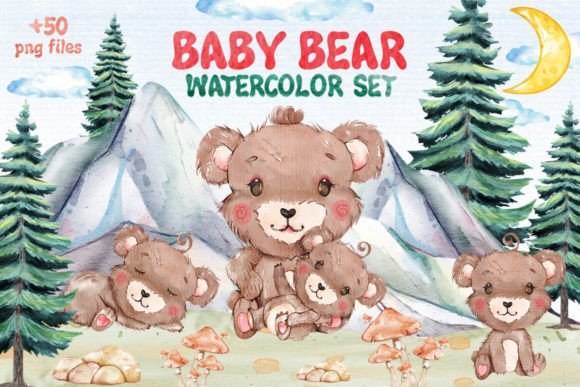
As an embroidery designer who has digitized countless illustrations, my first reaction to the 50 Watercolor Bear Clipart Set was a mix of excitement and caution. Watercolor is notoriously difficult to translate into a machine embroidery design because the medium relies on fluid transparency, while thread is opaque and textured. However, this collection strikes a surprisingly practical balance for commercial use. The visual personality leans heavily into nursery aesthetics and cottagecore vibes, featuring soft edges and muted tones that suggest a gentle, hand-painted origin rather than harsh digital lines.
When evaluating these Illustrations for real-world application, I am not just looking at pretty pictures; I am looking at stitch paths. The bears in this set possess enough defined contouring to support a clean satin stitch border, which is crucial when converting raster art into embroidery. Many watercolor assets fail here because their edges are too blurred, resulting in messy registration or excessive underlay. This set, fortunately, offers distinct shape separation within the watercolor washes, making them viable candidates for both traditional fill stitch embroidery and hybrid applique designs.
Real-World Application: The Custom Sweatshirt Test
To truly judge the viability of this asset pack, I mentally prototyped a specific project: a custom embroidered sweatshirt for a boutique holiday collection. My goal was to create a personalized gift item that felt high-end rather than mass-produced. I selected one of the seated bear designs holding a seasonal element, intending to place it on the left chest of a heavyweight French terry sweatshirt.
In this scenario, the 50 Watercolor Bear Clipart Set performs exceptionally well as a focal point. The size of the artwork allows for a 4x4 inch design area without losing critical detail. For a sweatshirt embroidery project, the softer color palette of the clipart complements the heathered texture of the fabric beautifully. Unlike stark cartoon vectors that can look cheap on premium apparel, these watercolor bears elevate the perceived value of the finished product. When creating a printable mockup for an Etsy listing, the organic texture of the bear illustration helps customers visualize the tactile nature of the final stitch-out, bridging the gap between digital preview and physical reality.
I also considered how this would work for a tote bag design. Canvas totes have a rougher weave, and intricate shading can sometimes get lost. However, because these bears rely on broader color fields rather than microscopic pixel details, they maintain readability on textured fabrics. This makes the set versatile for small shop product lines where you need consistent branding across different substrates like cotton canvas, denim aprons, and fleece blankets.
Navigating Fabric Limitations and Hoop Constraints
While the aesthetic is strong, practical execution requires careful planning. Not every bear in this 50-piece set will work on every fabric. As a reviewer, I must highlight where caution is necessary to avoid wasting stabilizer and thread.
- Stretchy Fabrics: When using these designs on ribbed knits or performance wear, the watercolor effect can distort if the stitch density is too high. You may need to reduce density by 10-15% during digitization to prevent puckering, even though the source art looks dense.
- Dark Fabrics: Watercolor relies on light passing through layers. On black or navy garments, the design loses its signature luminosity unless you employ a white underlay base. Be aware that this significantly increases stitch count and changes the hand-feel of the garment.
- Small Hoop Sizes: Some bears in the set include fine details like whiskers or floral accents. If resizing down for a 3-inch hoop or baby onesie, these elements may turn into mud. Always check the minimum safe size before committing to baby embroidery projects.
- Curved Surfaces: For cap or hat embroidery, avoid the full-body sitting bears. The vertical distortion of a curved hoop will stretch the bear’s proportions unnaturally. Opt for head-only portraits from the set for structured headwear.
Furthermore, consider the washing requirements. A kitchen towel or baby bib needs frequent laundering. Ensure your digitized version uses secure edge finishes. While the source clipart looks soft, your embroidery file must have robust column stitches to prevent fraying after ten wash cycles. If the design feels too delicate for heavy-use items, reserve it for decorative pillows or framed nursery art instead.
Impact on Brand Value and Customer Trust
For Etsy sellers and creative entrepreneurs, consistency is currency. Using a cohesive set like this helps build a recognizable brand identity. When a customer buys a personalized baby blanket with a bear motif and returns six months later for a matching toddler backpack, they expect the same artistic style. The 50 Watercolor Bear Clipart Set provides enough variety to sustain a long-term product line without looking disjointed.
The professional presentation of these illustrations also impacts buyer engagement. In a crowded marketplace of generic clipart, high-quality watercolor assets signal that a maker cares about sourcing unique design assets. This attention to detail translates directly to customer trust. Buyers are more likely to purchase a commercial embroidery product when the underlying artwork looks intentional and polished rather than traced or stolen. Just ensure you verify the licensing terms included with the set to confirm you can sell finished products or use the images in marketing materials legally.
Designer Notes for Successful Digitization
Before you load a single bobbin, take these practical steps to ensure the 50 Watercolor Bear Clipart Set translates successfully from screen to fabric:
- Test on Scrap Fabric First: Never run a new design on a final product. Stitch out your chosen bear on a scrap of the exact fabric and stabilizer combination you plan to use. Check for registration issues between color blocks.
- Analyze Color Separation: Open the image in your editing software and increase contrast temporarily. This reveals hidden edges that define where one thread color should stop and another begin, essential for accurate color mapping.
- Check Licensing for Commercial Use: Confirm whether the license covers only physical finished products or if it extends to digital files. If you plan to sell the digital embroidery file itself, most standard illustration licenses prohibit this. Know your rights.
- Evaluate Stabilizer Needs: Watercolor styles often require complex shading. Use a cut-away stabilizer for stretchy fabrics to support the weight of the design, and a tear-away for stable wovens like canvas tote bags.
- Create Black and White Mockups: Before purchasing thread, convert the clipart to grayscale. This helps you determine if the design relies too heavily on color contrast to be readable. If it looks flat in gray, you may need to add texture stitches during digitization.
- Verify File Compatibility: Ensure the resolution of the source illustrations is high enough (300 DPI minimum) to serve as a reliable template for digitizing software. Low-res sources lead to jagged stitch paths.
Ultimately, the 50 Watercolor Bear Clipart Set is a robust foundation for makers who understand the translation process between digital art and textile craft. It offers the warmth and charm required for the handmade market while providing enough structural clarity to survive the rigors of machine embroidery. By respecting the limitations of thread and fabric, you can transform these beautiful illustrations into profitable, professional-grade merchandise that resonates with customers seeking authentic, artisanal quality.